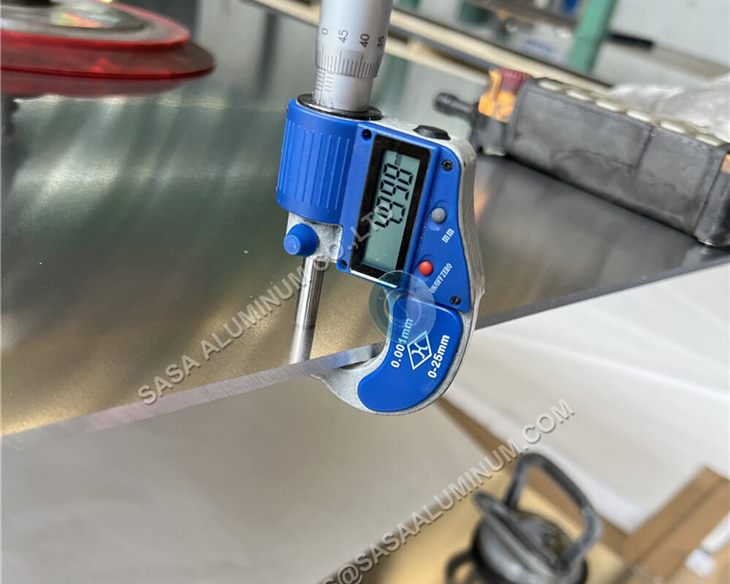
Buying 5083-H116 marine aluminum plate requires more than checking alloy chemistry and tensile values. For marine and similar environments, the purchase order should identify the product standard, temper, dimensions, corrosion-related acceptance, traceability and documentation. This checklist helps engineers and procurement teams define those requirements before requesting a quotation.
Why ASTM B928 Matters for Marine Plate
ASTM B928/B928M addresses high-magnesium aluminum-alloy products intended for marine service and similar environments. It connects alloy and temper designations with product form and relevant test requirements. A general statement such as “5083 plate” is therefore incomplete when the component requires H116 material for a marine structure.
Buyers should write the full designation—5083-H116 plate—together with the required ASTM edition. If a class society, fabrication code or customer specification applies, include it separately rather than assuming it is automatically covered.
Inspection Checklist Before Release
| Inspection item | What the purchase order should define |
|---|---|
| Identity | 5083 alloy, H116 temper, heat/lot number and plate marking |
| Dimensions | Thickness, width, length, tolerances, flatness and cut allowance |
| Surface | Mill finish, permitted imperfections, protective film and edge condition |
| Mechanical tests | Required test direction, locations, frequency and acceptance values from the governing specification |
| Corrosion-related tests | Applicable method, sampling and acceptance criteria required by the ordered standard or project |
| Documentation | MTC type, traceability, inspection reports and third-party release |
Corrosion Testing and Temper Verification
The H116 temper is not simply a marketing label. It represents controlled processing for marine-service plate. Corrosion-related performance can depend on alloy chemistry, thermal exposure and fabrication history. The purchaser should not replace H116 with H321, O or another temper without engineering approval.
When the project requires susceptibility testing, specify the relevant method and acceptance criteria rather than requesting a vague “corrosion test.” Sampling location and lot definition also matter. The supplier’s documents should connect the reported result to the plate heat or production lot.
Dimensional and Surface Inspection
Thickness should be checked at agreed locations using calibrated equipment. Width, length, diagonal difference and flatness may affect cutting yield and panel fit-up. For large shipbuilding plates, clarify whether dimensions are final size or include trimming allowance.
Surface inspection should distinguish cosmetic marks from discontinuities restricted by the specification or project documents. Protective film requirements, grain direction identification and edge preparation should be written into the inquiry when they affect fabrication.
MTC and Traceability Review
- Verify that alloy and temper match the purchase order.
- Confirm heat or lot identification is traceable to plate markings.
- Check reported chemical and mechanical results against the specified edition.
- Review corrosion-test reports when required.
- Confirm dimensions, quantity and document revisions before shipment.
Lot Traceability and Test Scope
ASTM B928/B928M defines an inspection lot as an identifiable quantity of the same mill form, alloy, temper, cast or melt lot and thickness inspected at one time. This makes heat and lot traceability important when certificates, sampling or third-party inspection are specified.
A certificate should be reviewed against the ordered edition, alloy, temper, dimensions and required tests. The presence of an MTC does not by itself prove compliance with every classification-society or project requirement. Any additional corrosion test, ultrasonic examination, witness inspection or document format must be stated before production.
Questions to Send With an RFQ
- Which ASTM B928/B928M edition and marine/class requirements apply?
- What thickness, width, length and tolerances are required?
- Is H116 mandatory, and are substitutions prohibited?
- Which corrosion, mechanical or nondestructive tests are required?
- What MTC, third-party inspection, marking and packaging are needed?
Providing these details allows the supplier to evaluate the correct 5083-H116 marine aluminum plate route instead of quoting a generic 5083 flat product.
FAQ
Is a mill certificate enough for marine plate acceptance?
Not automatically. The certificate must contain the results and traceability required by the purchase specification, and the purchaser must verify that the stated standard edition, alloy, temper and lot match the order.
Can H321 replace H116?
Only after engineering and contractual approval. They are different temper designations and should not be treated as automatic substitutes.
Send the plate dimensions, ASTM edition, temper, testing, MTC and inspection requirements to SASA ALUMINUM.
Request a Quote
Post time: Aug-10-2026