What is Aluminium Plain Sheet?
Aluminium plain sheet describes an unpatterned sheet product, not a particular chemical purity. Its composition is defined by the specified alloy. Strength, formability, weldability and corrosion performance also depend on the alloy, temper and service conditions.
Plain aluminum sheet and plate have diverse applications, including covers, fabricated panels and equipment components. Start with the required function, then confirm the material grade, thickness, finish and processing requirements.
Advantages of Using Aluminium Plain Sheet
Strength and durability depend on the specification
Aluminum can offer useful strength at a relatively low weight, but the words “plain sheet” do not establish a load rating. Structural selection requires the specified alloy and temper, section dimensions, support arrangement and connection design.
For marine or coastal use, confirm a suitable material specification and assess the exposure, joints and contact with other materials. A general statement about aluminum corrosion resistance is not enough to approve every plain sheet for a boat or load-bearing structure.
Lightweight handling
Lightweight materials make it easier to transport, manipulate and work with on-site. Whether aluminum lowers the overall project cost also depends on material price, required thickness, fabrication and finishing.
Versatile fabrication and applications
Suitable aluminum grades can be cut, formed or joined for many different components. Confirm bend requirements and the intended joining process before choosing the alloy and temper. Where heat transfer matters, use the properties of the selected grade rather than assuming identical performance across all aluminum products.
| Intended use | Key requirement | Include in the enquiry |
|---|---|---|
| Covers and visible panels | Appearance and handling condition | Grade, thickness, dimensions, finish and protected face. |
| Formed or joined components | Compatibility with the fabrication route | Alloy, temper, drawing, bend details and joining requirements. |
| Load-bearing or marine parts | Verified design and service suitability | Applicable specification, service environment and engineering requirements. |
Maintenance and recycling
Appropriate material selection and surface care can support durability. Cleaning, protective finishes and inspection should suit the actual environment; corrosion resistance does not mean that every application is maintenance-free.
Aluminum can also be recycled. Keep recyclable material identifiable and discuss collection or separation requirements where coatings, adhesives or other attached materials are present.
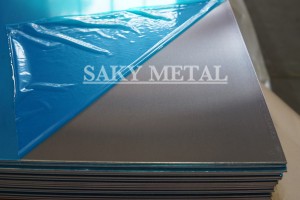
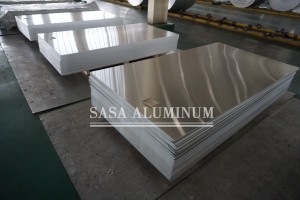
Browse the aluminum sheet and plate range, then send the required alloy, temper, thickness, dimensions, quantity and intended use. Include the drawing and finish requirements so the requested material and delivery condition can be reviewed before an offer is confirmed.
Post time: Aug-29-2023