-
Aluminum is one of the most important metals in the modern industrial world, known for its light weight, corrosion resistance, and versatile properties. While many people are familiar with aluminum in everyday products such as beverage cans, foil, and building materials, fewer understand the fasc...Read more »
-
Aluminum is one of the most versatile and widely used materials in modern industries, and its role in healthcare is both critical and expanding. In the medical field, aluminum is valued for its lightweight nature, corrosion resistance, biocompatibility, and adaptability in manufacturing. From sur...Read more »
-
Aluminum is widely recognized as a versatile engineering material, valued for its lightweight properties, corrosion resistance, and excellent thermal conductivity. In recent decades, aluminum has also established itself as a critical material for cryogenic applications, where equipment and compon...Read more »
-
Aluminum is one of the most widely used metals in the world, valued for its unique combination of lightweight, durability, corrosion resistance, and ease of fabrication. Found in applications ranging from aerospace and automotive to packaging and construction, aluminum’s physical properties make ...Read more »
-
Galling is a common wear mechanism that occurs when two metal surfaces slide against each other under pressure, leading to the transfer of material from one surface to another. It can cause surface damage, increased friction, and even the seizure of moving parts. Aluminum and stainless steel, whi...Read more »
-
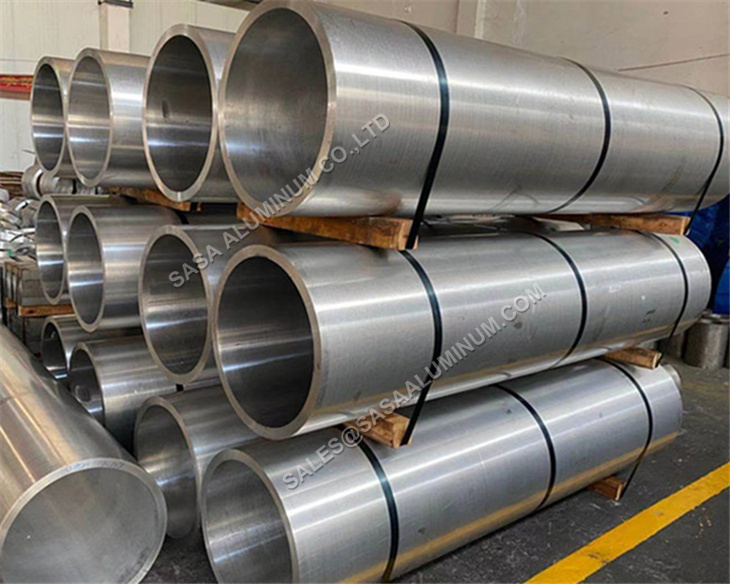
Aluminum extrusions are essential in industries ranging from construction and transportation to aerospace and manufacturing. They are produced by forcing aluminum through a shaped die to create profiles with specific cross-sections. Among the many types of extrusions, seamless aluminum extrusions...Read more »
-
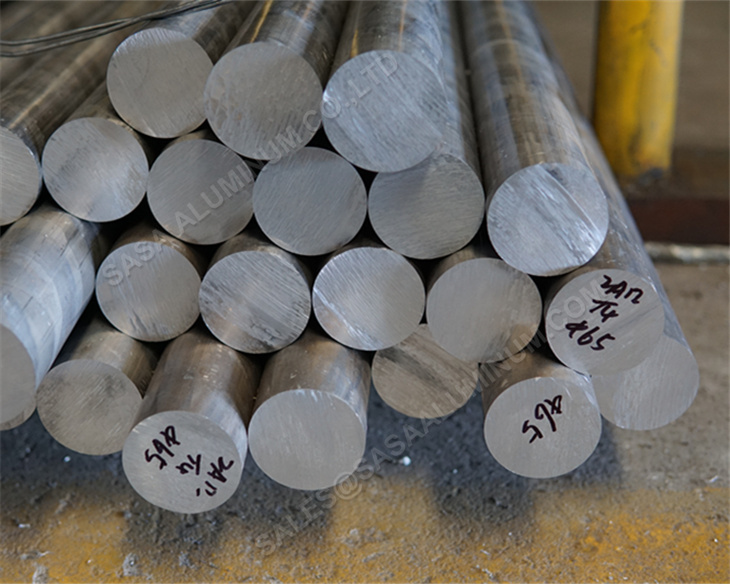
Direct answer: stress relief in aluminum is not one universal heat-treatment cycle. The suitable route depends on alloy family, temper, product form, section size, residual-stress source, dimensional risk and the governing material specification. Stretching, compression, thermal stress relief, ...Read more »
-
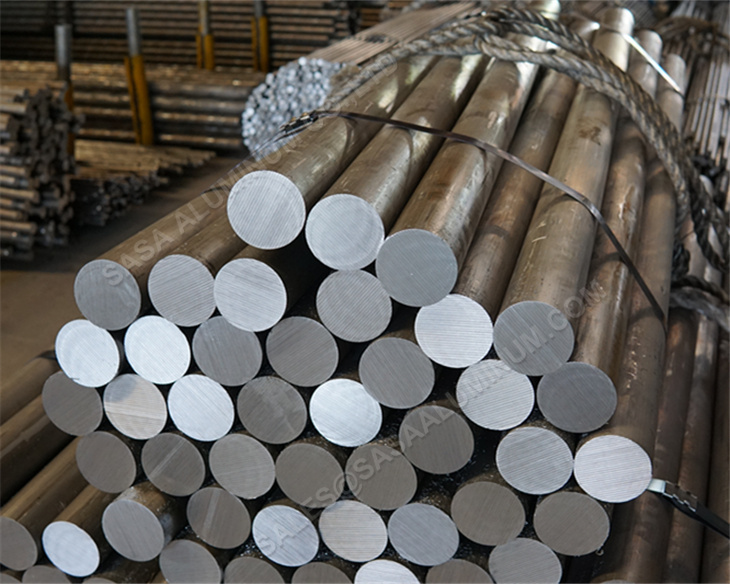
The automation industry is evolving rapidly, with increased demand for faster, more efficient, and cost-effective production systems. From robotic arms to conveyor systems, materials play a vital role in ensuring reliability, performance, and longevity. Aluminum has emerged as one of the most pre...Read more »
-
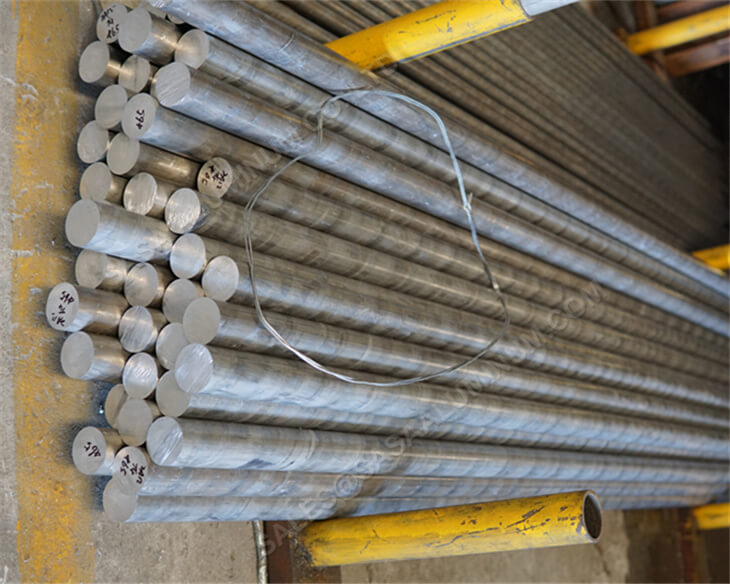
Aluminum alloys are known for their light weight, good mechanical properties, and exceptional resistance to corrosion. This combination of benefits makes them an essential material in industries such as aerospace, marine, construction, and transportation. However, corrosion resistance can vary si...Read more »
-
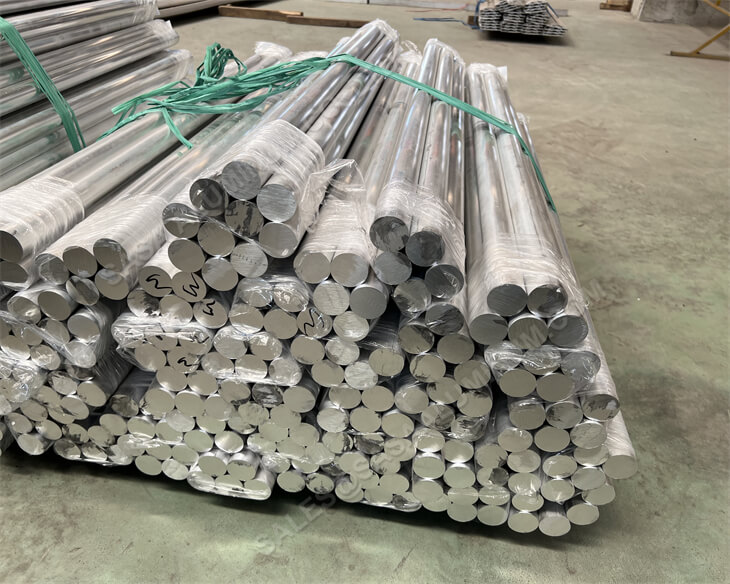
Aluminum bars are widely used across industries for their strength-to-weight ratio, corrosion resistance, and versatility in manufacturing. However, not all aluminum bars are the same. Two common production methods—extrusion and cold finishing—result in distinct product characteristics. For engin...Read more »
-
Aluminum is one of the most widely used metals in the world, valued for its lightweight nature, corrosion resistance, and versatility. However, not all aluminum is the same. Aluminum alloys, created by adding various elements to pure aluminum, offer a range of mechanical properties and performanc...Read more »
-
Direct answer: aluminum alloys are classified by product route, alloy series and temper. A useful purchase description combines alloy, temper, product form, standard, dimensions and acceptance requirements. Wrought and cast aluminum use different designation systems. Series-level descriptions he...Read more »