6082-T6 Aluminum Extrusion Profiles
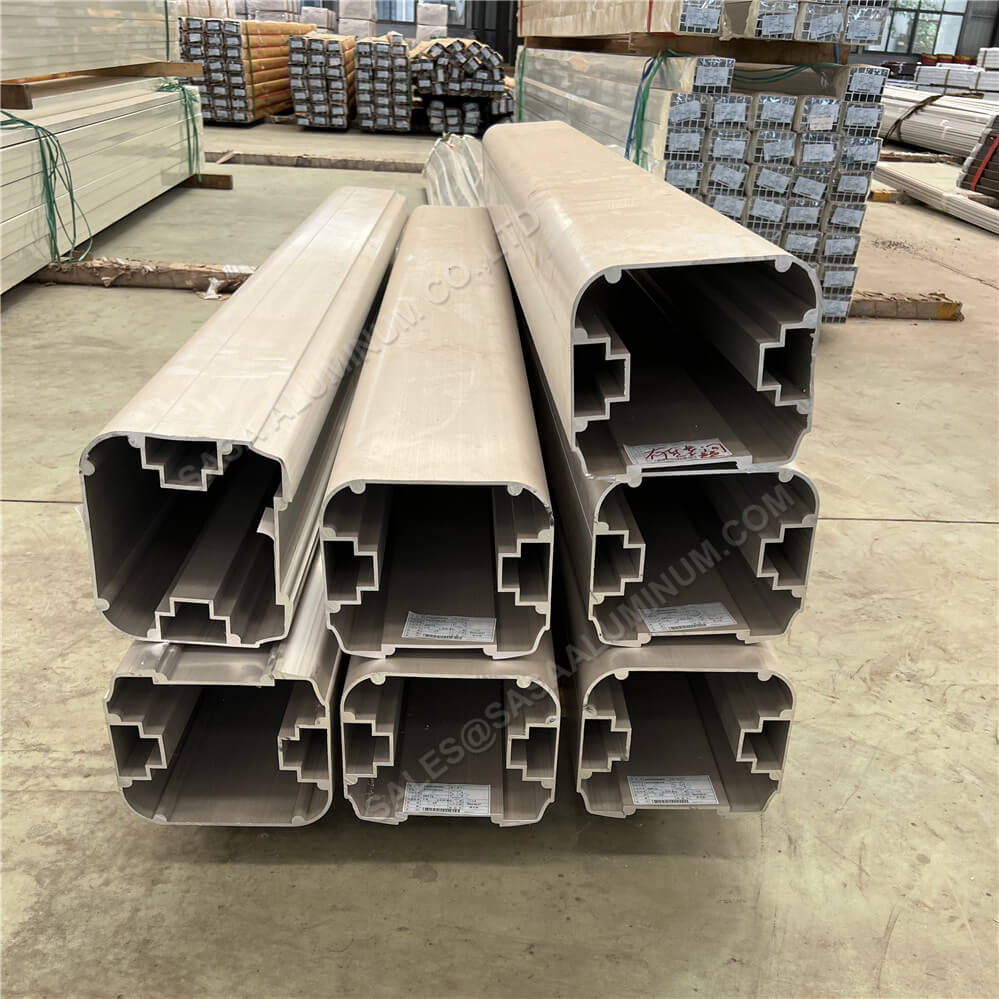
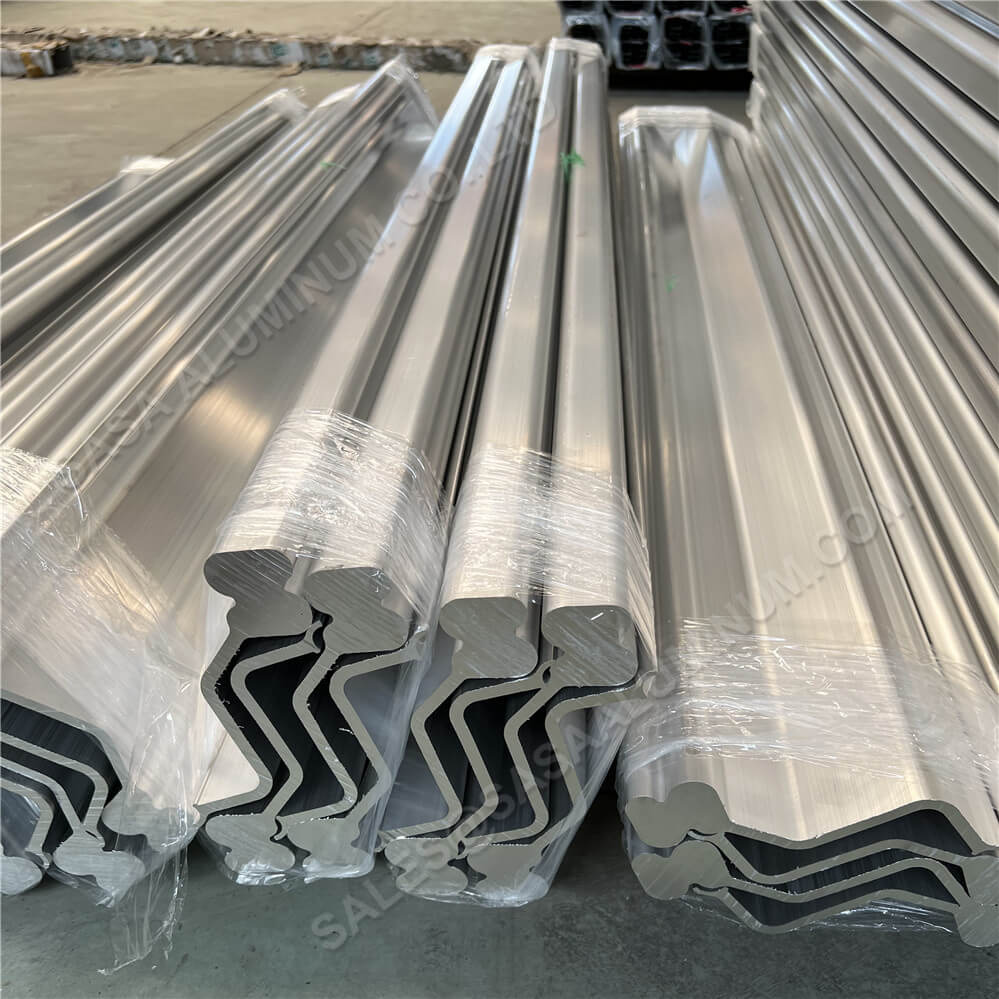
6082-T6 aluminum extrusion profiles are intended for structural components that require higher strength than commonly used architectural extrusion alloys. They are suitable for machine structures, transport assemblies, platforms, support frames and drawing-based components.
For an efficient technical review, provide the profile drawing, required standard, section dimensions, critical tolerances, cut length, quantity and destination. Extrusion feasibility and final supply conditions are confirmed against the drawing and purchase specification.
Alloy: 6082 / EN AW-6082 / AlSi1MgMnTemper: T6Product form: Solid, hollow, semi-hollow and custom extrusion profiles
Common standards: EN 755 series or ASTM B221/B221M
Supply basis: Standard sections or customer drawings
Typical focus: Structural strength, dimensional control and downstream fabrication
Need a 6082-T6 Profile Review?
Send the drawing, dimensions, quantity and required standard for extrusion feasibility and quotation review.
Why Choose 6082-T6 Aluminum Extrusion Profiles?
6082 is a heat-treatable 6000-series aluminum alloy containing magnesium, silicon and manganese. In the T6 condition, it is mainly selected for structural profiles where mechanical performance is more important than the decorative finish or highly complex geometry commonly associated with 6063 aluminum.
| Structural Strength Suitable for frames, supports and mechanically loaded assemblies. |
T6 Condition Solution heat-treated and artificially aged to achieve the specified temper condition. |
Corrosion Resistance Practical corrosion resistance for industrial and transport applications. |
| Machining Suitable for subsequent sawing, drilling, milling and drawing-based operations. |
Weldability Can be welded, but structural design must account for the heat-affected zone. |
Custom Sections Solid, hollow and semi-hollow profiles can be reviewed from customer drawings. |
6082-T6 Aluminum Extrusion Specifications
| Item | Supply Information |
|---|---|
| Alloy | 6082 / EN AW-6082 / AlSi1MgMn |
| Temper | T6 |
| Product form | Solid, hollow, semi-hollow or custom extrusion profiles |
| Section design | Standard shapes or customer drawing-based sections |
| Dimensions | Confirmed according to profile geometry, tooling and drawing review |
| Length | Mill length or cut-to-length, subject to order confirmation |
| Tolerance | According to the governing standard, profile geometry and agreed drawing |
| Surface condition | Mill finish or agreed surface treatment, subject to technical confirmation |
| Processing | Sawing, drilling, milling and drawing-based processing may be reviewed |
| Documentation | Material and inspection documents according to agreed purchase requirements |
Profile complexity, wall thickness, overall dimensions, section symmetry and critical functional surfaces must be considered before final tolerances are confirmed.
Applicable Standards
| Requirement | Common Reference | What to Confirm |
|---|---|---|
| Composition | EN 573-3 or applicable ASTM specification | Alloy designation and governing specification |
| Temper | EN 515 or ANSI H35.1/H35.1M | Required T6 condition |
| Mechanical properties | EN 755-2 or ASTM B221/B221M | Profile form, section thickness and acceptance values |
| Profile tolerances | EN 755-9 or applicable ASTM requirements | Critical dimensions, straightness, twist and flatness |
| Documentation | Purchase specification | Certification, traceability and testing requirements |
6082 Aluminum Chemical Composition
The following composition is a general reference for EN AW-6082. Final acceptance must be based on the governing specification and batch-specific material documentation.
| Element | Composition, wt.% |
|---|---|
| Si | 0.70–1.30 |
| Fe | ≤0.50 |
| Cu | ≤0.10 |
| Mn | 0.40–1.00 |
| Mg | 0.60–1.20 |
| Cr | ≤0.25 |
| Zn | ≤0.20 |
| Ti | ≤0.10 |
| Other elements | ≤0.05 each; ≤0.15 total |
| Al | Remainder |
Mechanical Property Selection
Mechanical-property requirements for 6082-T6 extrusions depend on the governing standard, profile form and section thickness. A single tensile or yield-strength value should not be applied to every profile geometry.
| Profile Form Requirements may differ between profiles, bars and tubes. |
Section Thickness Required properties can vary with section thickness. |
Test Direction Sampling and test direction must follow the standard. |
Purchased Standard EN and ASTM requirements are not automatically interchangeable. |
6082-T6 vs 6061-T6 vs 6063-T6
| Alloy | Selection Focus | Typical Profile Use | Important Consideration |
|---|---|---|---|
| 6082-T6 | Higher structural strength | Machine structures, transport assemblies and loaded frames | Complexity and wall thickness require careful review. |
| 6061-T6 | Balanced engineering performance | General mechanical and structural components | Confirm standard preference and availability. |
| 6063-T6 | Extrudability and surface appearance | Architectural profiles and detailed sections | Preferred when finish and complex geometry are priorities. |
Select the alloy according to structural requirements, section complexity, machining, welding, surface finish and the governing design standard—not strength alone.
Custom Profile Configurations
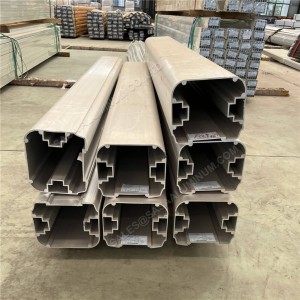
| Solid Profiles Structural sections, rails and supports. |
Hollow Profiles Enclosed sections requiring wall-thickness control. |
Semi-Hollow Profiles Drawing-based sections requiring feasibility review. |
Machined Profiles Sections requiring holes, slots or precision surfaces. |
Complex cavities, sharp transitions and large wall-thickness differences can influence material flow, die design and dimensional stability. Functional surfaces and critical dimensions should be identified on the drawing.
Processing and Fabrication Review
| Process | Information Required | Engineering Consideration |
|---|---|---|
| Saw cutting | Finished length, tolerance and end condition | Confirm machining allowance. |
| Drilling and milling | Drawing, datum surfaces and hole positions | Identify assembly-critical features. |
| Welding | Joint design and service loading | Account for the heat-affected zone. |
| Anodizing or coating | Finish, appearance and exposure environment | Confirm pretreatment and surface criteria. |
Processing options must be confirmed against the drawing and purchase requirements before quotation.
Inspection and Documentation
| Inspection Item | Purpose |
|---|---|
| Material verification | Confirm alloy, temper and traceability. |
| Cross-section inspection | Check width, height, wall thickness and critical dimensions. |
| Straightness and twist | Verify profile geometry against agreed requirements. |
| Surface inspection | Evaluate the agreed surface condition. |
| Documentation | Confirm agreed material and inspection records. |
Applications of 6082-T6 Extrusion Profiles
| Machine Structures Frames, supports and loaded equipment components. |
Transport Assemblies Structural profiles for vehicle and transportation systems. |
Platforms Load-bearing sections for platforms and support systems. |
| Automation Equipment Structural profiles for industrial equipment assemblies. |
Precision Components Extruded sections intended for subsequent machining. |
Custom Structures Sections developed around component geometry and loading. |
These applications are general guidance. The responsible engineer should validate the alloy, temper, section properties, joints, loads, corrosion exposure and regulatory requirements.
6082 Aluminum Extrusion Profile Packaging
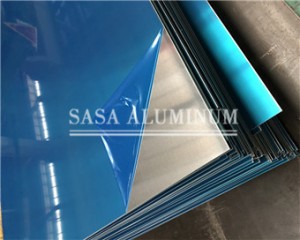
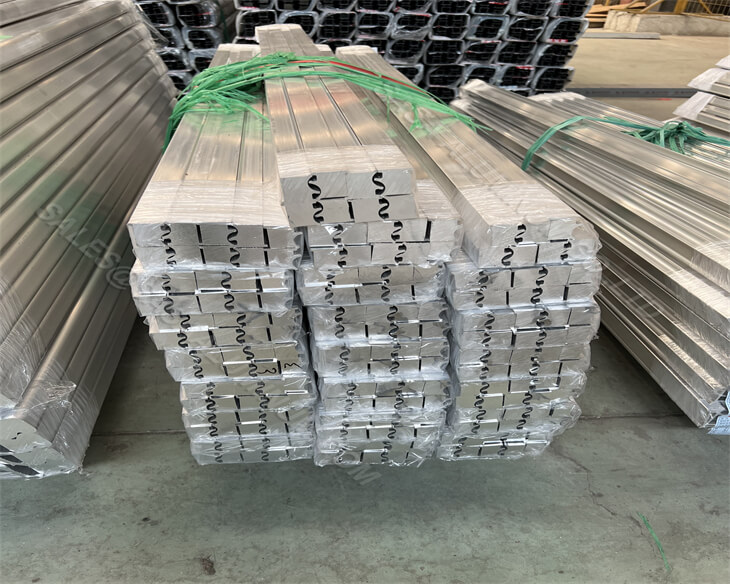
Packaging is selected according to profile geometry, length, surface condition and transportation requirements. Visible or finished surfaces may require separation and additional protection during handling.
- Protective wrapping according to surface requirements
- Separation between finished profiles where required
- Bundled profiles with suitable support and end protection
- Pallets or export cases according to shipment requirements
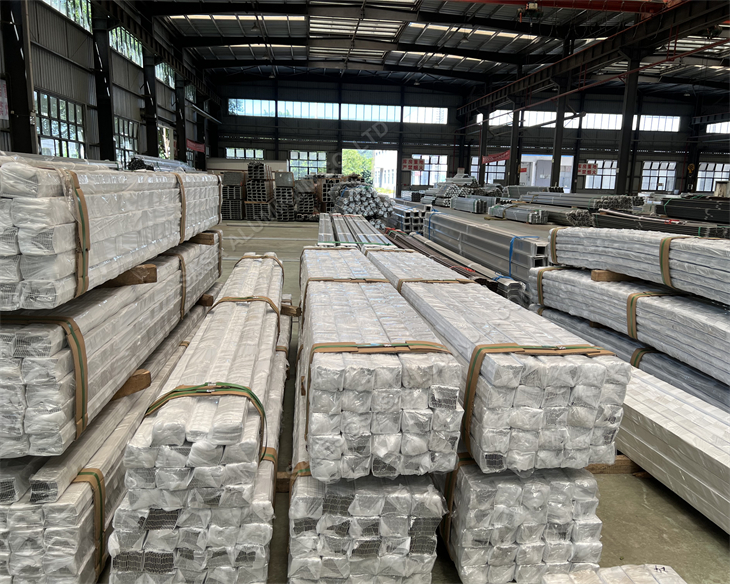
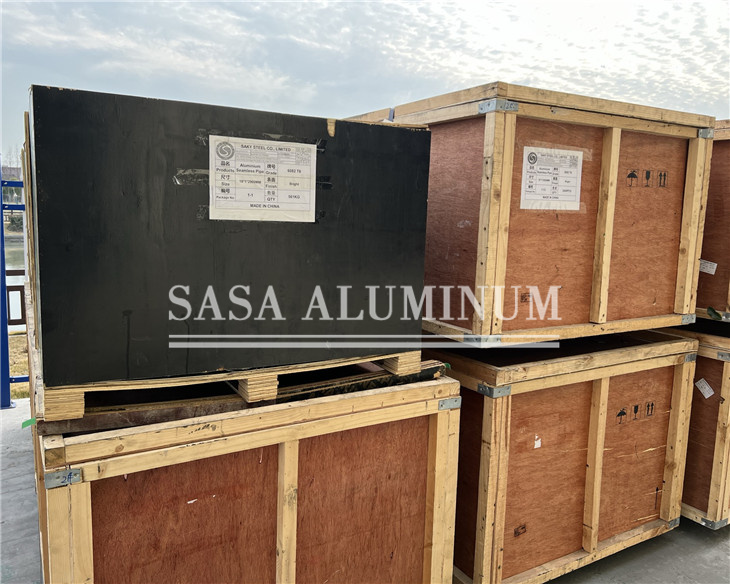
Packaging shown is representative. The final method is confirmed according to profile length, section geometry, surface condition and shipment requirements.
Frequently Asked Questions
What is 6082-T6 aluminum commonly used for?
6082-T6 is commonly selected for structural and mechanically loaded components, including machine frames, transport assemblies, platforms, supports and machined profile parts.
Is 6082-T6 stronger than 6063-T6?
6082-T6 is generally selected when structural strength is a higher priority. 6063-T6 is usually preferred when complex extrusion geometry and decorative surface appearance are more important.
Can custom extrusion sections be produced?
Custom solid, hollow and semi-hollow profiles can be evaluated from customer drawings. Feasibility depends on section size, wall thickness, geometry, tolerances and quantity.
Can 6082-T6 aluminum profiles be welded?
Yes, but welding can reduce strength in the heat-affected zone. The responsible engineer should account for the welded condition in the structural design.
What information is required for a quotation?
Provide the profile drawing, alloy and temper, governing standard, section dimensions, cut length, tolerances, quantity, surface requirements, processing requirements and destination.
Request a 6082-T6 Aluminum Extrusion Quote
Send Your Profile Drawing for Technical Review
Include the standard, section dimensions, tolerances, length, quantity, surface condition, processing requirements and destination.