-
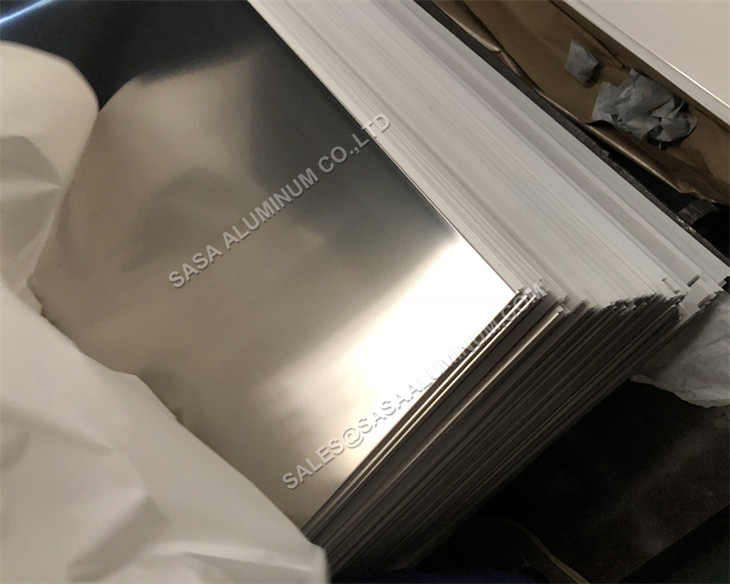
Aluminum plates are widely used in various industries, including aerospace, automotive, construction, and manufacturing, due to their strength, lightweight properties, and corrosion resistance. However, like any material, aluminum plates can have defects that affect their quality and performance....Read more »
-
Aluminum sheet metal is widely used in various industries, including aerospace, automotive, construction, and manufacturing, due to its lightweight nature, corrosion resistance, and versatility. Whether you’re working on small DIY projects or large-scale industrial applications, cutting alu...Read more »
-
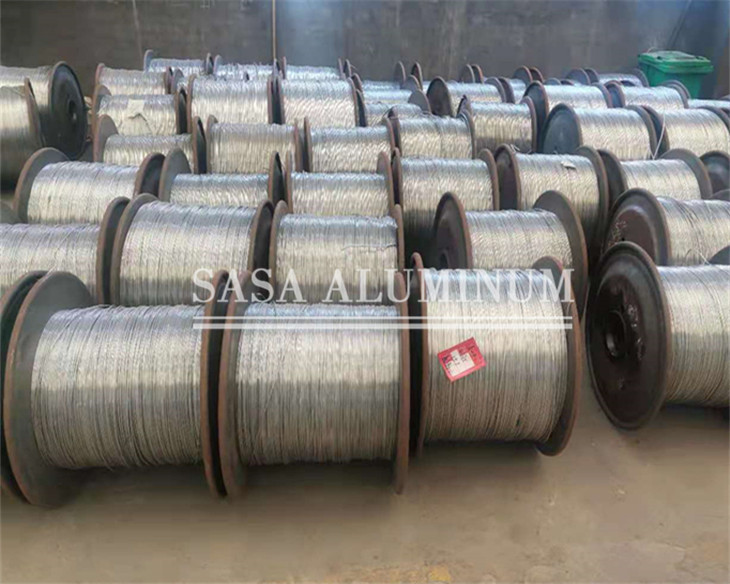
Joining metals is a fundamental process across industries ranging from construction and automotive to electronics and aerospace. Among the most commonly used metal joining techniques are brazing, soldering, and welding. While these methods may seem similar on the surface, they differ significantl...Read more »
-
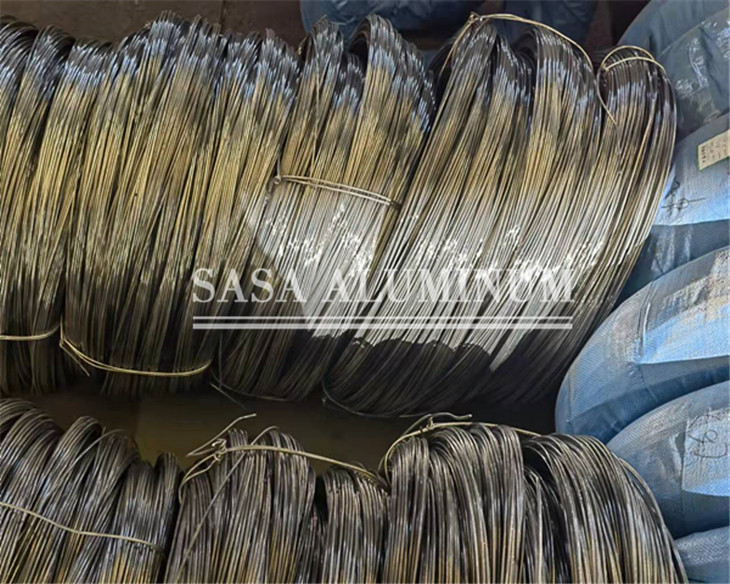
When it comes to welding aluminum, selecting the right filler wire is critical for ensuring a strong, defect-free joint. Among the most widely used aluminum welding wires are 4043 and 5356. Both are compatible with many base aluminum alloys and are used in MIG and TIG welding, yet they have disti...Read more »
-
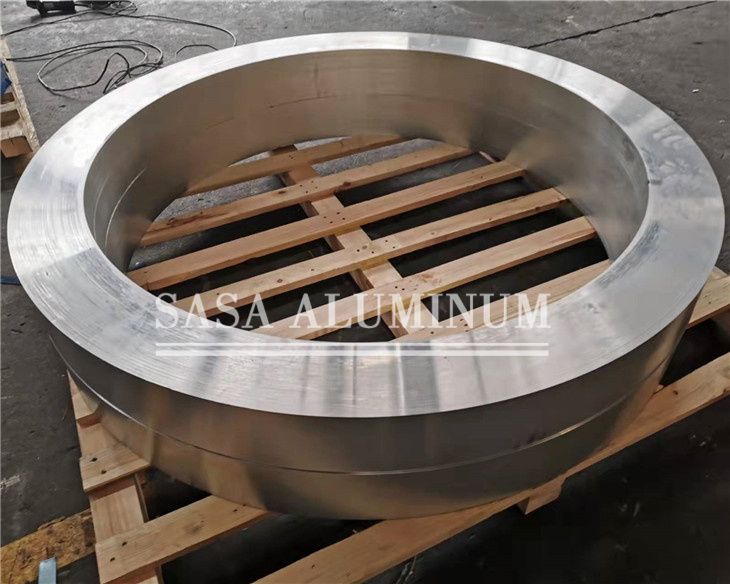
A seamless rolled ring is a type of forging—not the opposite of a forged ring. The useful comparison is between a ring shaped mainly by open-die or die-forging operations and one finished by ring rolling. For an aluminium component, neither label alone establishes strength, fatigue life or dimen...Read more »
-
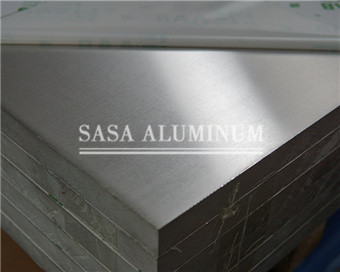
Aluminum alloys are essential in modern manufacturing and construction industries due to their lightweight, strength, and corrosion resistance. Among the many available aluminum grades, 6082 and 7075 are two commonly used alloys, each offering distinct advantages. Whether you’re working in ...Read more »
-
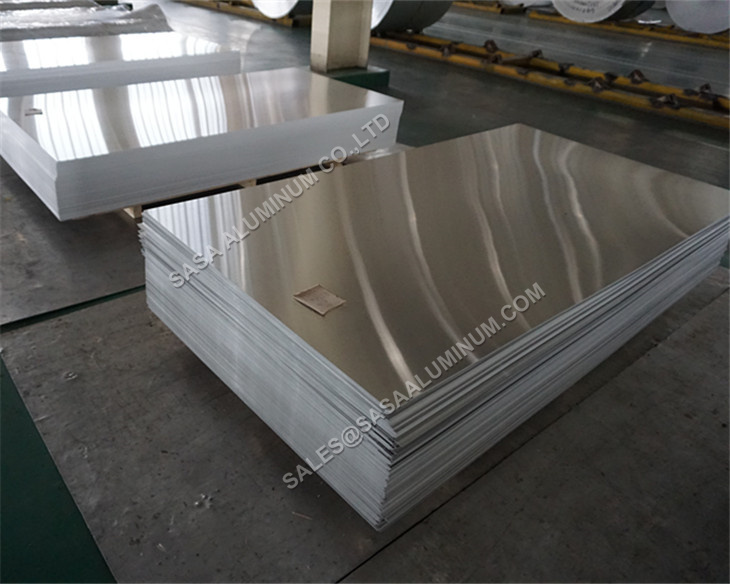
How Is Aluminum Made? From Bauxite and Alumina to Sheet, Plate and Industrial Products Aluminum production starts with bauxite ore and ends with a wide range of industrial products. The main stages are bauxite refining, alumina production, electrolytic smelting, casting, alloying and downstream...Read more »
-
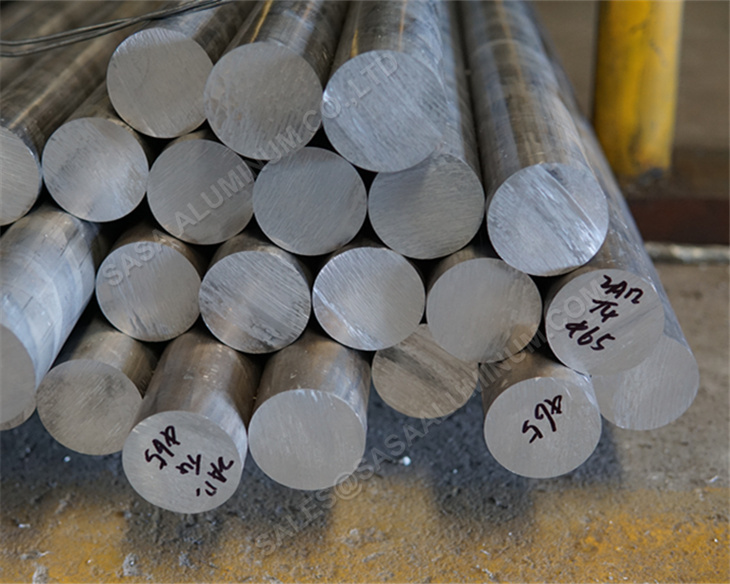
In modern architecture and engineering, aluminum has emerged as one of the most versatile, lightweight, and sustainable building materials. Among the many aluminum products used in the construction sector, aluminium bars play a crucial role due to their strength, corrosion resistance, and adaptab...Read more »
-
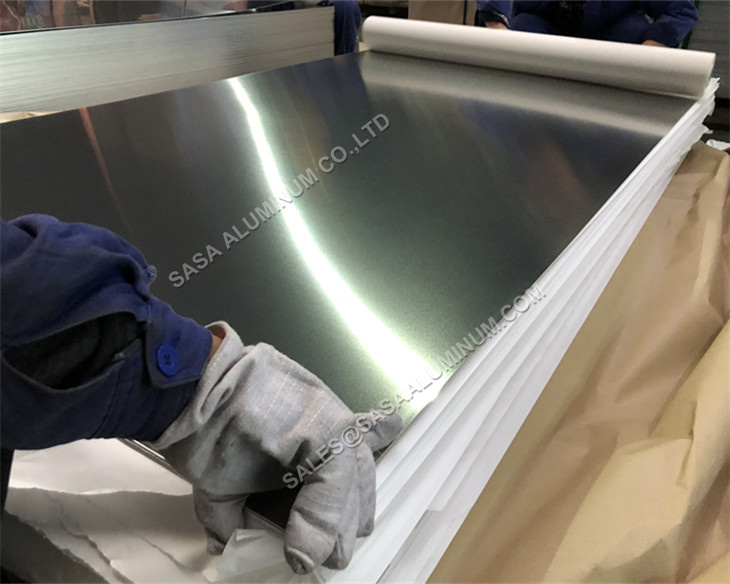
Aluminum sheet metal is one of the most widely used materials across multiple industries due to its light weight, corrosion resistance, versatility, and affordability. From construction and transportation to electronics and packaging, aluminum sheet metal plays a vital role in modern engineering ...Read more »
-
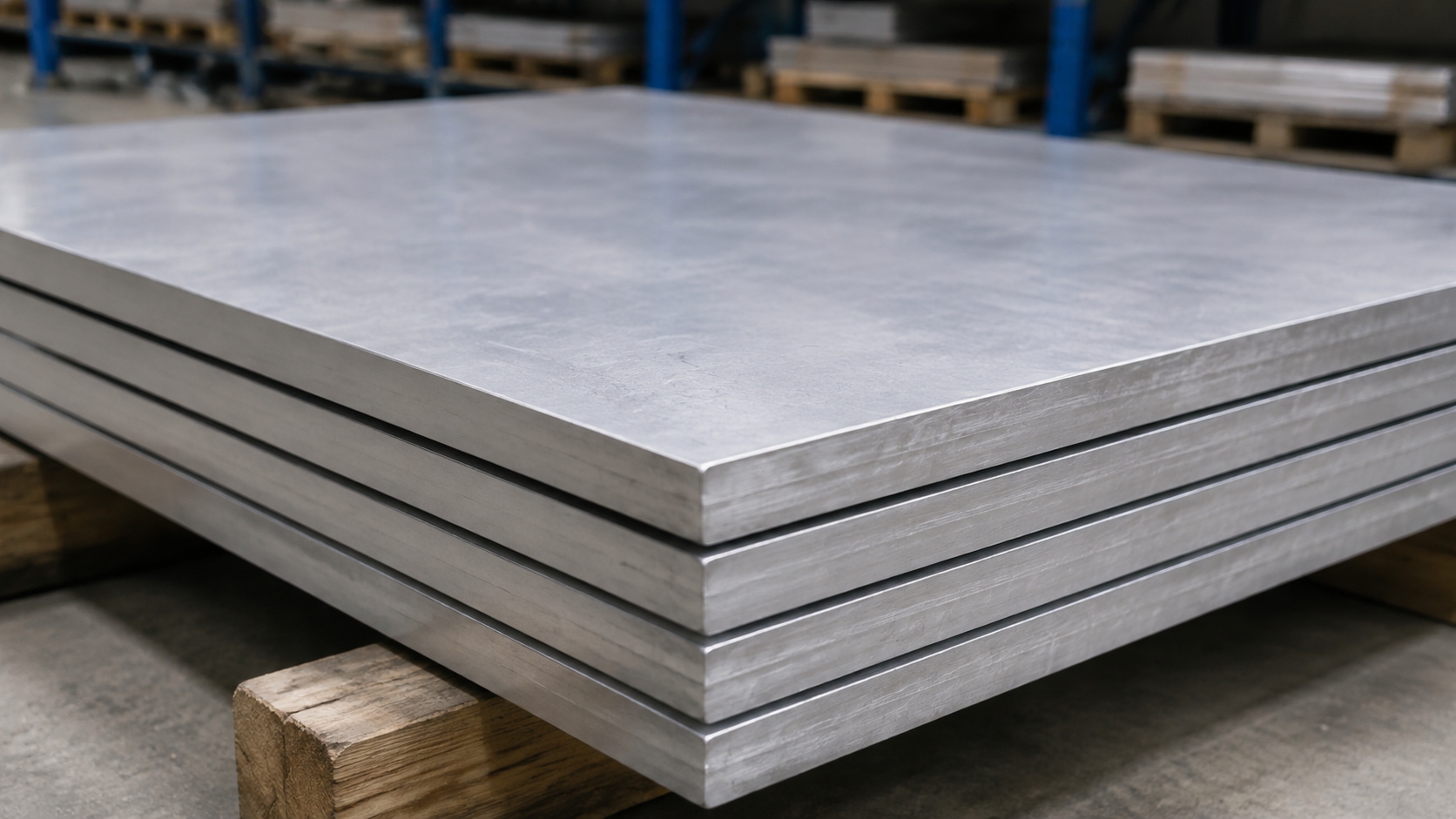
3003 and 5052 are both non-heat-treatable aluminium alloys, but they solve different sheet-metal problems. 3003 is an aluminium-manganese alloy commonly considered for general-purpose forming. 5052 is an aluminium-magnesium alloy considered when the specified strength and service requirements p...Read more »
-
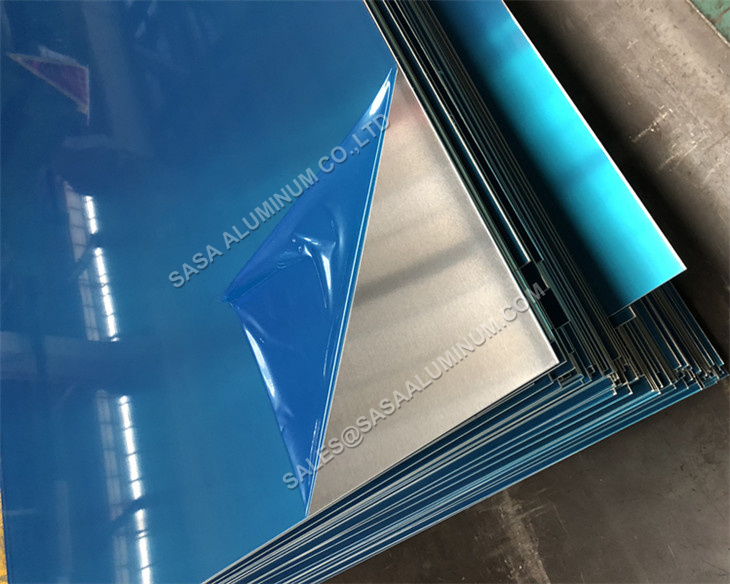
Aluminum plate is a versatile, lightweight, and corrosion-resistant material widely used across industries including construction, aerospace, transportation, packaging, and electronics. With excellent mechanical properties and superior surface finish options, aluminum plates have become a materia...Read more »
-
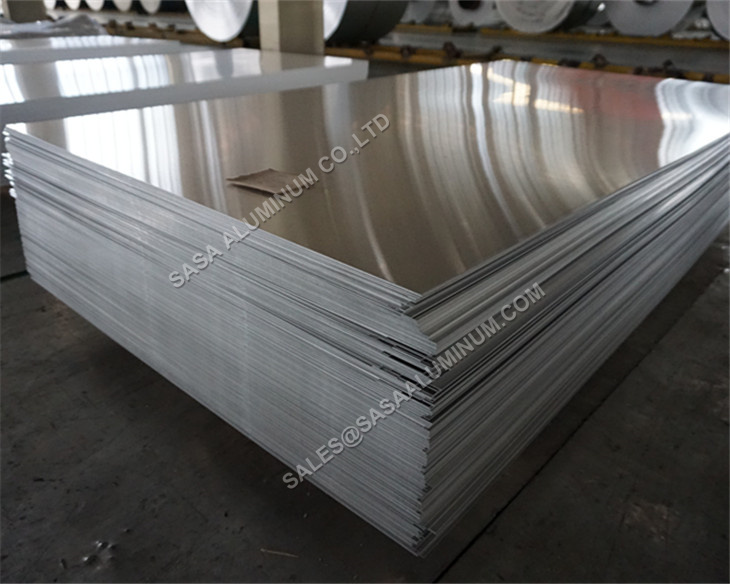
The wire drawing process of aluminum plate is a specialized surface treatment technique that enhances both the aesthetic appeal and functional performance of aluminum materials. Widely used in electronics, construction, and architectural decoration, this finishing method imparts a unique linear t...Read more »