-
Aluminum extrusions are everywhere — in window frames, car parts, building structures, electronic enclosures, and even in furniture. They are lightweight, durable, corrosion-resistant, and remarkably versatile. But have you ever wondered, how are aluminum extrusions made The extrusion process is ...Read more »
-
Aluminium is a lightweight, non-ferrous metal; chemically it is the element Al in group 13. Those labels answer different questions. “Non-ferrous” describes a family that is not iron-based, while a commercial aluminium alloy can still contain controlled amounts of iron. For industrial purchasing...Read more »
-
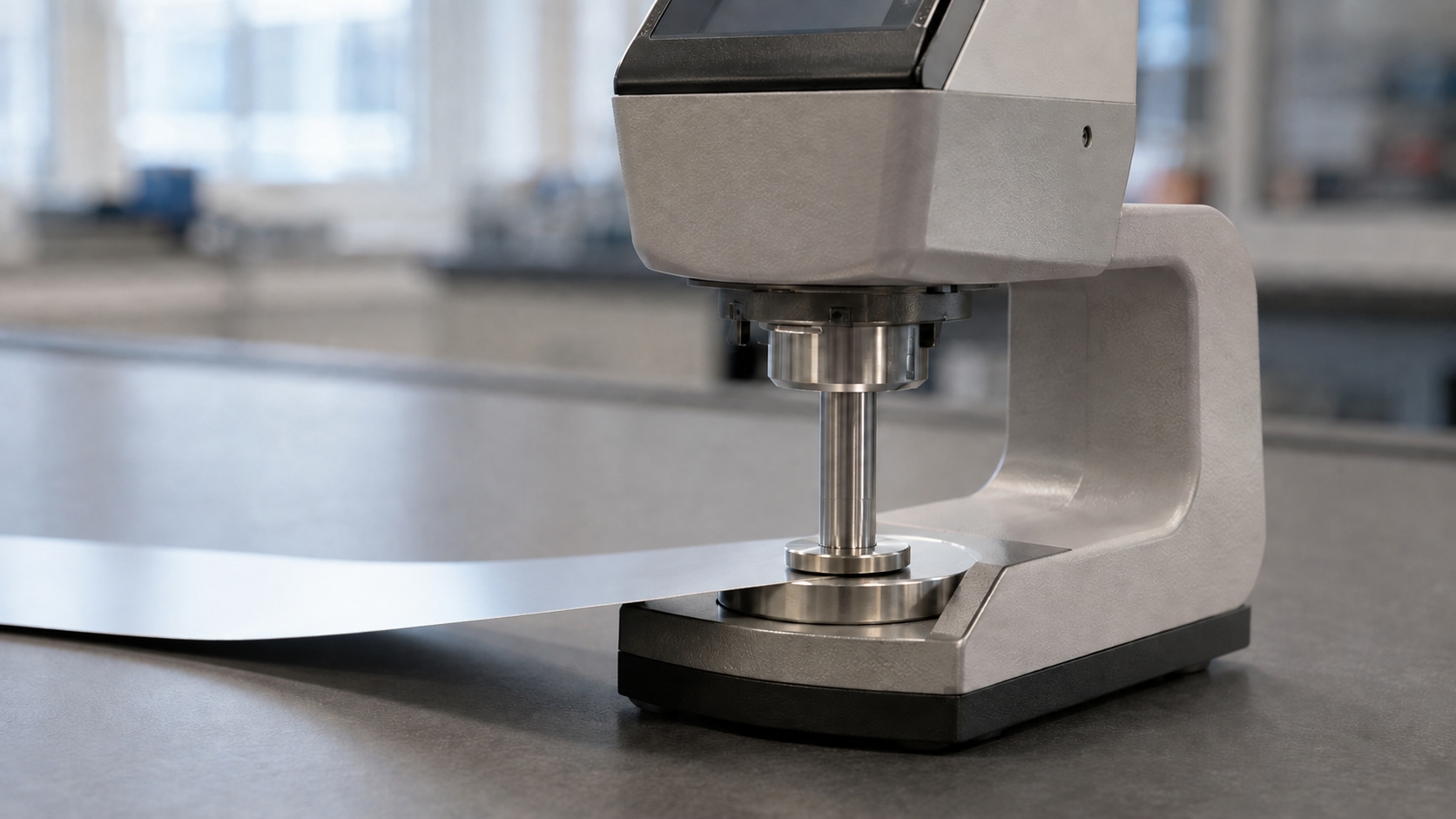
Aluminium foil does not have one standard thickness. The European Aluminium Foil Association describes foil as ranging from about 0.006 mm to an upper limit of 0.2 mm—approximately 6–200 µm. That is a product-category range, not a statement that every grade, finish or application is supplied th...Read more »
-
Aluminum is one of the most widely used and studied elements in the world of chemistry and materials science. Found in everything from beverage cans to aircraft frames, aluminum offers a unique combination of light weight, strength, and corrosion resistance. However, behind its widespread industr...Read more »
-
Aluminum is one of the most commonly used metals in the world today. Known for its lightweight nature, corrosion resistance, and versatility, aluminum finds its way into everything from beverage cans to aerospace components. A key property that engineers and manufacturers often consider is its me...Read more »
-
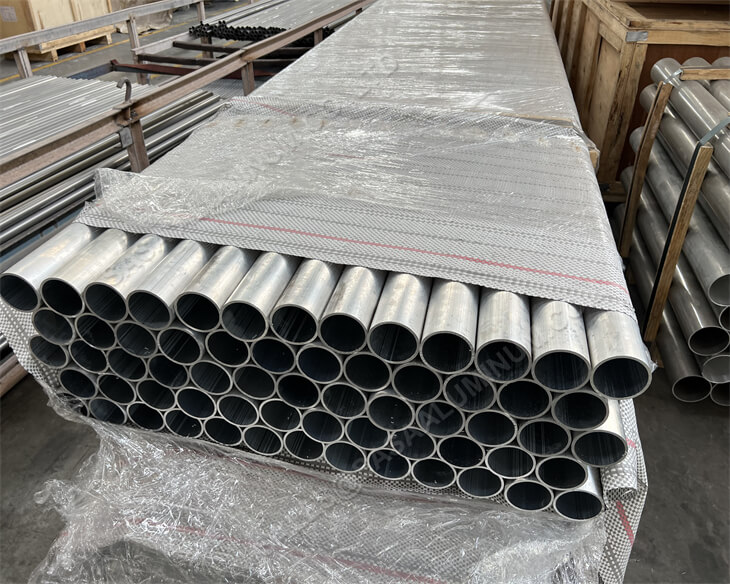
Aluminum is one of the most abundant and widely used metals on Earth. While many industries rely on aluminum alloys to gain strength and durability, pure aluminum—typically classified as 99.0% or higher in aluminum content—is equally important in applications that require exceptional conductivity...Read more »
-
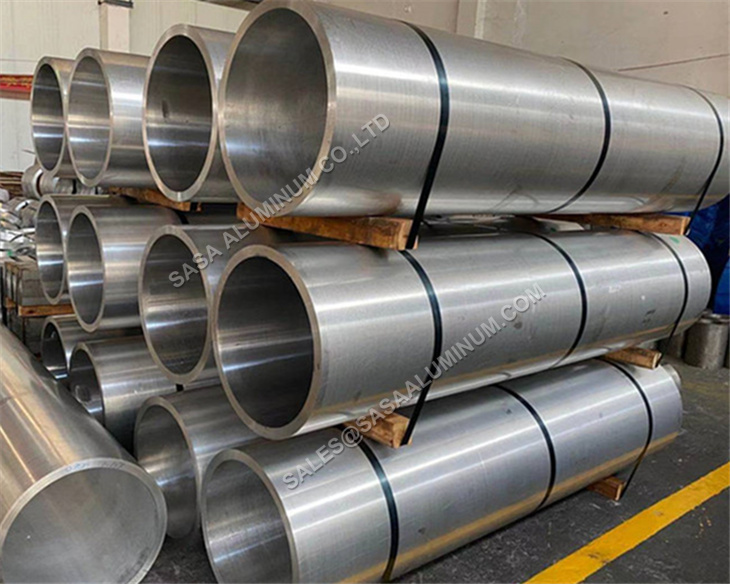
Aluminum is one of the most widely used metals in modern manufacturing. From aerospace and automotive to packaging and construction, aluminum’s remarkable set of properties makes it a material of choice for engineers, designers, and manufacturers around the world. But what are the propertie...Read more »
-
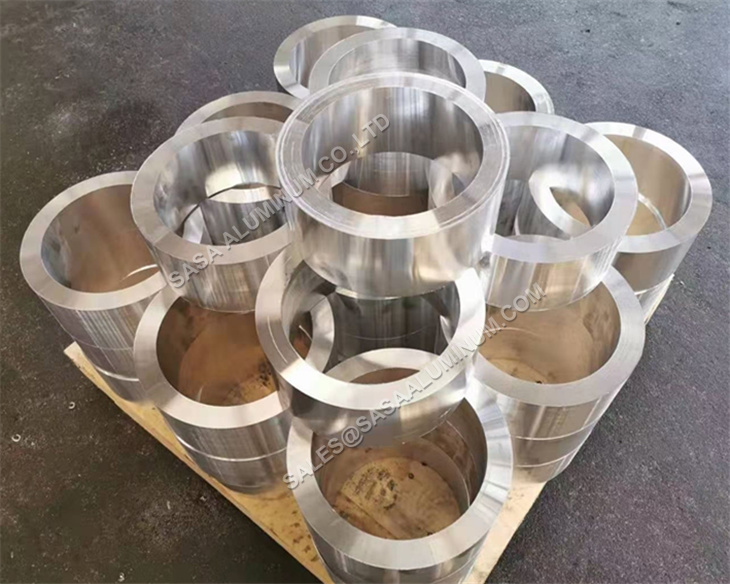
When engineers, manufacturers, or designers choose materials for a new project, weight is often one of the most important factors. In industries like aerospace, automotive, construction, and consumer goods, using lightweight materials can significantly improve performance, energy efficiency, and ...Read more »
-
Aluminum is one of the most commonly used metals in the world. It’s lightweight, corrosion-resistant, and easy to work with, making it ideal for applications across construction, automotive, aerospace, electronics, and cookware. But when it comes to high-temperature environments, a common questi...Read more »
-
Aluminum is one of the most widely used metals in modern engineering, architecture, transportation, and consumer products. Lightweight, durable, and highly versatile, aluminum has earned its reputation as a “corrosion-resistant” metal. But despite this quality, aluminum can corrode—es...Read more »
-
To clean aluminium without scratching, remove loose grit before wiping, use a clean soft applicator and choose a cleaner approved for the actual finish. More pressure is not a substitute for the right method. This guide concerns routine cleaning of intact surfaces; visible pitting, corrosion ben...Read more »
-
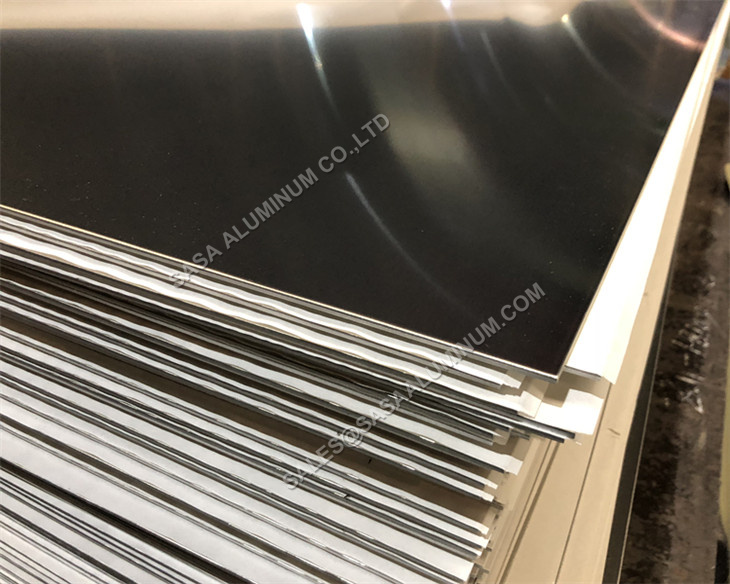
A Complete Guide to Achieving a Brushed Finish on Aluminum Surfaces Brushed aluminum is a popular finish that delivers a clean, modern, and professional look across a wide range of industries—from interior design and consumer electronics to automotive parts and signage. Knowing how to brush alumi...Read more »