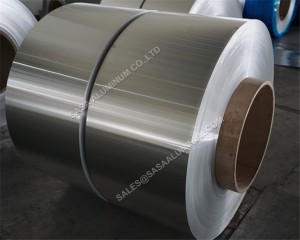
1060 Aluminium Bar
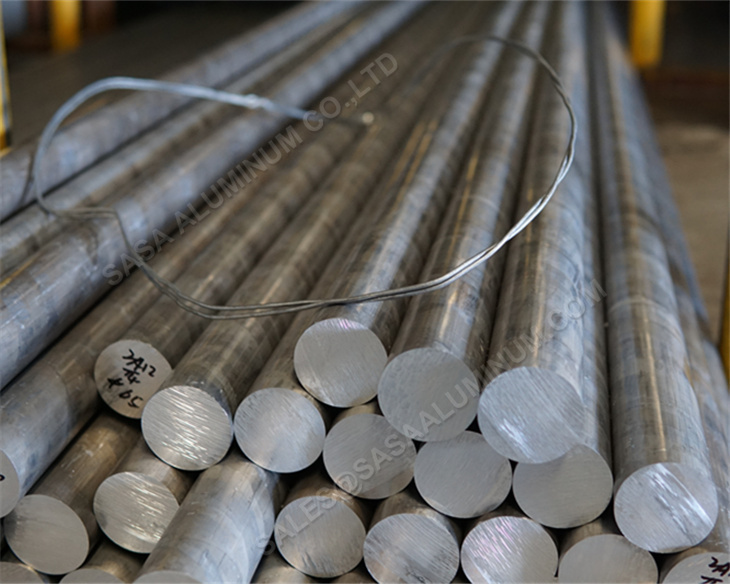
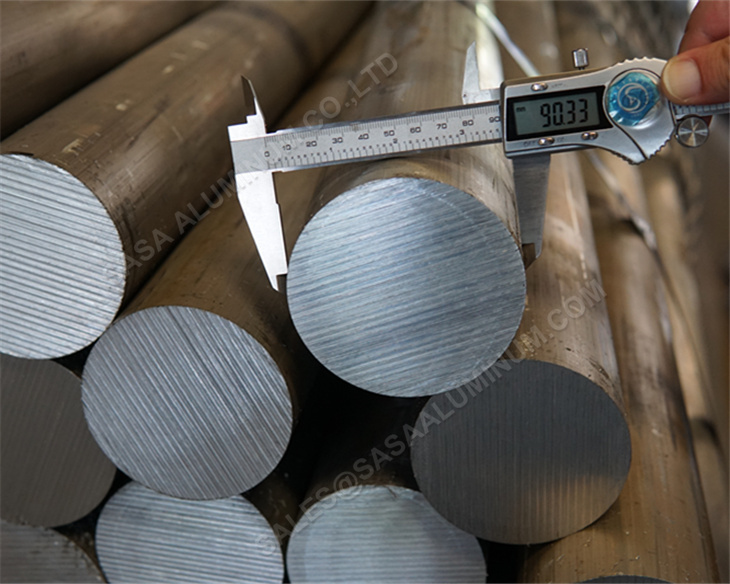
1060 Aluminium Bar Overview
1060 aluminium bar is a commercially pure, non-heat-treatable aluminium product containing at least 99.60% aluminium. It is selected where high electrical and thermal conductivity, corrosion resistance, formability and weldability are more important than high mechanical strength.
Round, square, flat and rectangular bars can be supplied for electrical components, busbars, chemical equipment, general fabrication and machined parts. For a quotation, specify the required bar shape, temper, dimensions, tolerances, quantity, surface condition and inspection documentation.
1060 Aluminium Bar Quick Information
Alloy: 1060 / UNS A91060
Common Tempers: O, H12, H14, H18 and H112, subject to product form and order specification
Product Forms: Round bar, square bar, flat bar and rectangular bar
Common Standards: ASTM B221/B221M for extruded products; ASTM B211/B211M for rolled or cold-finished bar, rod and wire
Common Size Range: Round Ø3-300 mm; square 5-200 mm; flat/rectangular 2-40 × 10-300 mm
Length: 1000-6000 mm or customized
Documentation: Material certificates and agreed inspection reports available
1060 Aluminium Bar Specifications
| Alloy designation | 1060 / UNS A91060 |
|---|---|
| Aluminium content | 99.60% minimum |
| Product form | Extruded, rolled or cold-finished round, square, flat and rectangular bar |
| Common tempers | O, H12, H14, H18 and H112; confirm availability against the required form, size and governing specification |
| Surface options | Mill finish, brushed, polished or other agreed finish |
| Processing services | Cut-to-length, precision sawing, straightening, surface finishing and machining according to the confirmed order |
| Quality documents | Material certificate, dimensional inspection and additional agreed test reports |
Common 1060 Aluminium Bar Size Range
| Bar form | Common supply range |
|---|---|
| Round bar / rod | Diameter: 3-300 mm |
| Square bar | Side length: 5-200 mm |
| Flat or rectangular bar | Thickness: 2-40 mm; width: 10-300 mm |
| Length | 1000-6000 mm; fixed length and cut-to-size service available |
| Dimensional tolerance | Standard commercial tolerance or tighter tolerance according to the confirmed drawing and purchase order |
| Custom supply | Other dimensions, finishes and processing requirements can be reviewed for project orders |
Standards and Temper Selection
| Requirement | Common selection | Ordering note |
|---|---|---|
| Extruded bar and rod | ASTM B221/B221M | State alloy, temper, cross-section, dimensions, length and tolerance |
| Rolled or cold-finished bar and rod | ASTM B211/B211M | Confirm the manufacturing route, temper and dimensional requirements |
| Soft and highly formable condition | O temper | Suitable where forming is more important than strength |
| Strain-hardened condition | H12, H14 or H18 | Choose the temper from the required strength, formability and product form |
| As-fabricated or elevated-temperature formed product | H112 or other agreed temper | Availability depends on the manufacturing route and applicable standard |
The applicable standard, edition and acceptance criteria should be stated on the purchase order. Temper and dimensional tolerances must be confirmed for the selected bar form rather than assumed from a sheet or coil specification.
1060 Aluminium Chemical Composition
| Element | Composition, wt.% |
|---|---|
| Silicon (Si) | 0.25 max |
| Iron (Fe) | 0.35 max |
| Copper (Cu) | 0.05 max |
| Manganese (Mn) | 0.03 max |
| Magnesium (Mg) | 0.03 max |
| Zinc (Zn) | 0.05 max |
| Titanium (Ti) | 0.03 max |
| Vanadium (V) | 0.05 max |
| Other elements | 0.03 max each |
| Aluminium (Al) | 99.60 min |
Final chemical-composition acceptance follows the alloy standard and revision specified on the purchase order and the supplied material certificate.
Key Characteristics of 1060 Aluminium Bar
| Characteristic | Practical consideration |
|---|---|
| High aluminium purity | Supports good electrical and thermal conductivity for suitable component designs |
| Corrosion resistance | Useful for general atmospheric and chemical-service components, subject to the actual environment |
| Formability | Well suited to forming and fabrication, especially in softer tempers |
| Weldability | Can be welded using appropriate procedures, filler selection and cleanliness controls |
| Strength level | Lower strength than heat-treatable alloys such as 6061; select 1060 when purity, conductivity and formability are the main requirements |
| Machining | Machining conditions should be selected for commercially pure aluminium, with attention to chip control and surface finish |
Applications of 1060 Aluminium Bar
1060 aluminium bar is used for components where conductivity, corrosion resistance, fabrication performance and aluminium purity are more important than high structural strength.
| Electrical Busbars Flat bars and conductive components for power distribution |
Electrical Components Terminals, connectors and other conductive parts |
Chemical Equipment Fabricated parts for compatible corrosion-sensitive service |
| Heat-Transfer Parts Components requiring useful thermal conductivity |
Fabricated Products Formed, welded and cut-to-size aluminium parts |
General Machining Low-load machined components and custom parts |
Suitability for a finished component depends on the required load, electrical current, joint design, operating temperature, corrosion environment and governing project specification.
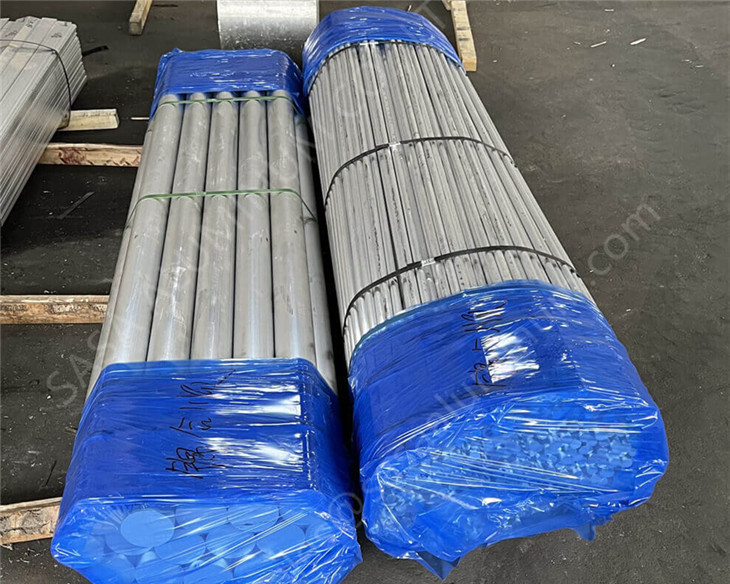
Product Packaging
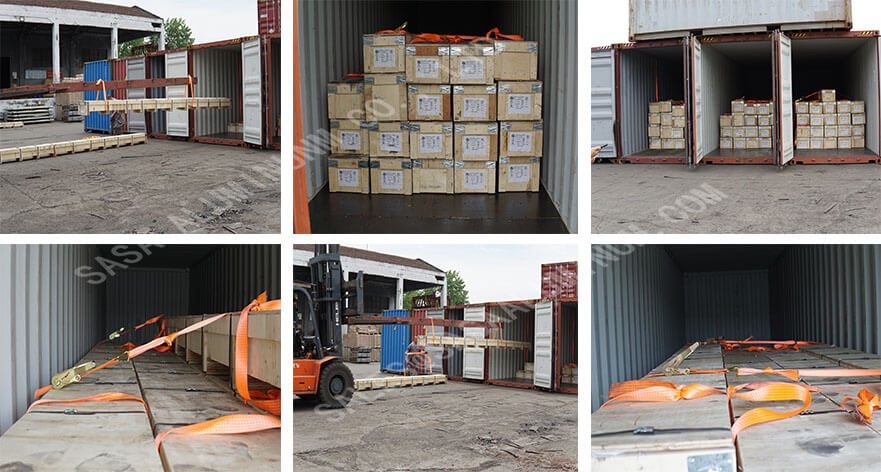
Certificates and Product Quality Inspection
Material certificates can be supplied with the order. Product quality inspection services are also available according to the agreed specification and purchase-order requirements. The inspection scope may include dimensional checks, surface and appearance inspection, chemical-composition verification, mechanical-property testing and electrical-conductivity testing. Third-party inspection can be coordinated when it is stated in the RFQ.
Frequently Asked Questions
What is 1060 aluminium?
1060 is a commercially pure wrought aluminium alloy with a minimum aluminium content of 99.60%. It is non-heat-treatable and is commonly selected for conductivity, corrosion resistance, formability and weldability rather than high strength.
What is 1060 aluminium bar used for?
1060 aluminium bar is used for electrical busbars, conductive terminals, connectors, chemical-equipment parts, heat-transfer components, fabricated products and low-load machined parts.
Is 1060 aluminium suitable for electrical busbars?
1060 can be used for electrical busbars and conductive flat-bar components because of its high aluminium purity and useful conductivity. The required cross-section, operating current, temperature rise, joint design, temper and conductivity acceptance value must be confirmed for the finished system.
What is the difference between 1050 and 1060 aluminium?
Both are commercially pure aluminium alloys with good corrosion resistance, formability and conductivity. Their minimum aluminium content and detailed composition limits differ, so they should not be substituted without checking the required alloy designation, product standard and project approval.
How does 1060 aluminium compare with 6061 aluminium?
1060 provides higher purity and is commonly chosen for conductivity and formability. 6061 is a heat-treatable alloy generally selected when substantially higher mechanical strength and structural performance are required. The better choice depends on the component load, fabrication process, conductivity target and service environment.
What sizes of 1060 aluminium bar can be supplied?
Common market ranges include round bar from 3-300 mm diameter, square bar from 5-200 mm, flat or rectangular bar from 2-40 mm thickness and 10-300 mm width, and lengths from 1000-6000 mm. Custom dimensions and tighter tolerances can be reviewed against the drawing and order requirements.
Can 1060 aluminium bar be welded?
Yes. 1060 aluminium has good weldability when suitable welding procedures, filler materials, joint design and cleanliness controls are used. The applicable fabrication code and service requirements should define final acceptance.
Can certificates and inspection reports be supplied?
Yes. Material certificates and agreed inspection reports can be supplied with the order. State the required dimensional, surface, chemical-composition, mechanical-property, conductivity and third-party inspection requirements in the RFQ.