-
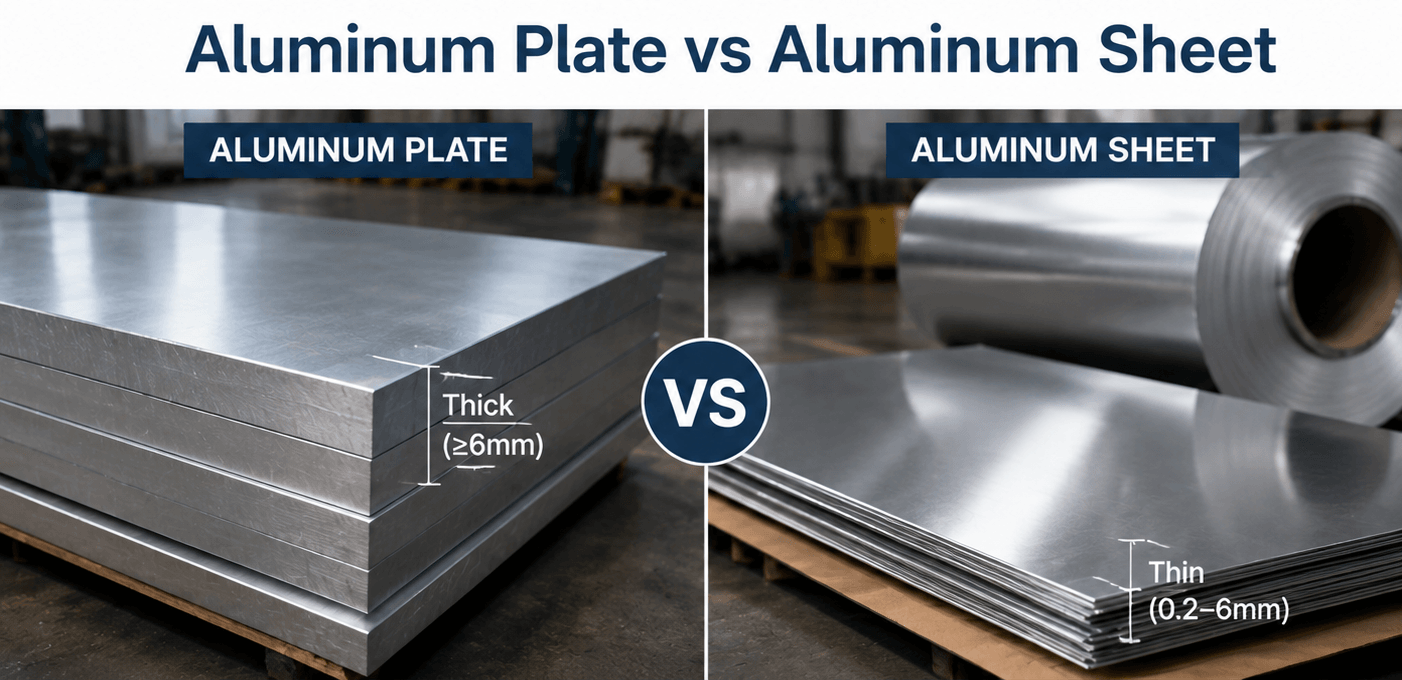
Introduction Aluminum plate and aluminum sheet are both widely used aluminum products, but they are selected for different engineering requirements. The main differences are thickness range, structural performance, fabrication methods and typical applications. In general, aluminum plate refers...Read more »
-
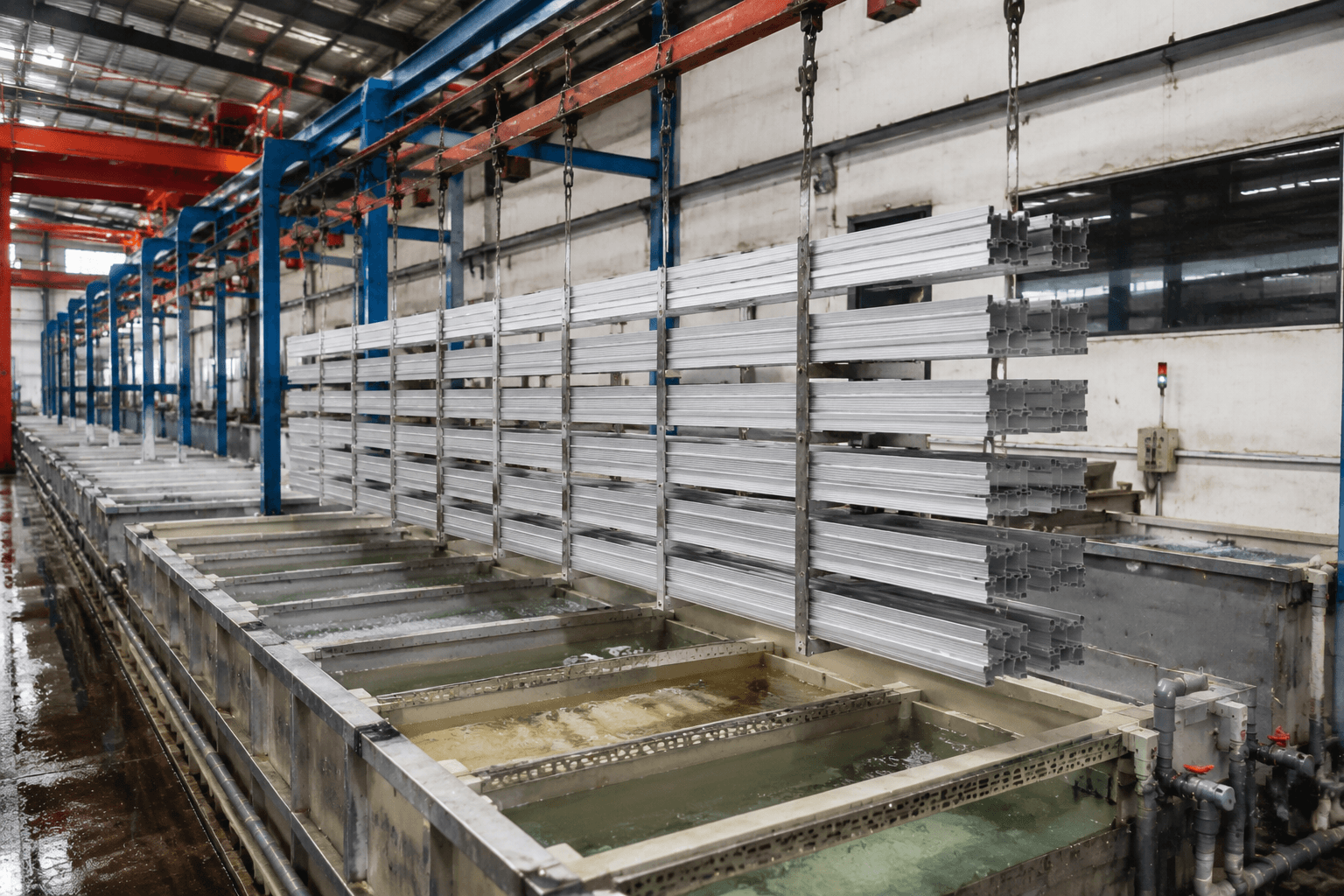
Introduction Aluminum has excellent corrosion resistance due to its natural oxide film, but additional surface treatments are often required to improve durability, appearance and performance in demanding industrial environments. Selecting the right aluminum corrosion protection method depends ...Read more »
-
Introduction Aluminum sheet thickness is one of the most important factors when selecting aluminum materials for industrial applications. The correct thickness affects strength, weight, formability, corrosion resistance and overall project performance. For industrial buyers, choosing aluminum ...Read more »
-
Introduction Aluminum alloy temper defines the heat treatment and mechanical condition of aluminum materials, which directly affects strength, hardness, ductility and application performance. Common aluminum tempers include T5, T6, T4, T7 and O temper. Among them, T5 and T6 are two of the most w...Read more »
-
Introduction 6061 aluminum and 6063 aluminum are two of the most widely used aluminum alloys for industrial manufacturing, construction and extrusion applications. Although both alloys belong to the 6000 series aluminum family and contain magnesium and silicon as main alloying elements, they are...Read more »
-
Introduction Galling of aluminum and stainless steel is a type of surface damage caused by friction, pressure and adhesion between two metal surfaces sliding against each other. When aluminum components come into contact with stainless steel fasteners or parts, the surfaces can bond locally and ...Read more »
-
Introduction Aluminum is an excellent electrical conductor and is widely used in power transmission, electrical equipment and industrial applications because of its good conductivity, lightweight properties and corrosion resistance. Although copper has higher electrical conductivity, aluminum pr...Read more »
-
Introduction Aluminum was discovered as a new metallic element in the 19th century, with Hans Christian Ørsted first isolating aluminum in an impure form in 1825 and Friedrich Wöhler later producing a more refined form in 1827. Although aluminum is one of the most abundant elements in the Earth&...Read more »
-
Introduction The global aluminum industry includes large integrated aluminum producers, extrusion manufacturers, distributors, and specialized suppliers providing customized solutions for industrial customers. For international buyers, selecting the right aluminum supplier requires evaluating ma...Read more »
-
Introduction An aluminum product is a semi-finished or finished material made from commercially pure aluminum or an aluminum alloy and supplied as sheet, plate, coil, strip, bar, pipe, tube, profile, forging or another engineered form. These products are used in transportation, aerospace, marine...Read more »
-
Introduction Aluminum lightweighting trends in transport and industrial equipment focus on replacing heavier materials or redesigning components so that lower mass is achieved without sacrificing structural performance, corrosion resistance, manufacturability or service life. Aluminum is used fo...Read more »
-
Introduction Custom aluminum products are aluminum sheets, plates, bars, tubes, profiles, wire forms or machined parts manufactured or processed to customer-defined dimensions, geometry, temper, surface condition and inspection requirements. They are used when standard commercial sizes cannot me...Read more »