-
Introduction Aluminum alloy temper is an important designation that describes the heat treatment, mechanical processing and final condition of aluminum products. For industrial buyers, understanding aluminum temper is essential because the same alloy grade can have significantly different stren...Read more »
-
Introduction 6061 aluminum and 6063 aluminum are two of the most widely used 6000 series aluminum alloys. Both alloys contain magnesium and silicon as their main alloying elements, providing good corrosion resistance, weldability and processing performance. Although 6061 and 6063 aluminum belo...Read more »
-
Introduction Aluminum plate and aluminum sheet are two widely used forms of aluminum products in industrial manufacturing. Although both are made from aluminum alloys, they differ in thickness range, processing methods, mechanical performance and typical applications. For industrial buyers, un...Read more »
-
Introduction Aluminum has excellent corrosion resistance because a natural oxide film forms on its surface and protects the underlying metal. However, in harsh environments such as marine, industrial and chemical applications, additional surface treatments may be required to improve corrosion p...Read more »
-
Introduction Aluminum sheet thickness is one of the most important specifications when selecting aluminum materials for industrial applications. Different thicknesses affect strength, weight, forming performance, machining capability and final product performance. Aluminum sheets are available...Read more »
-
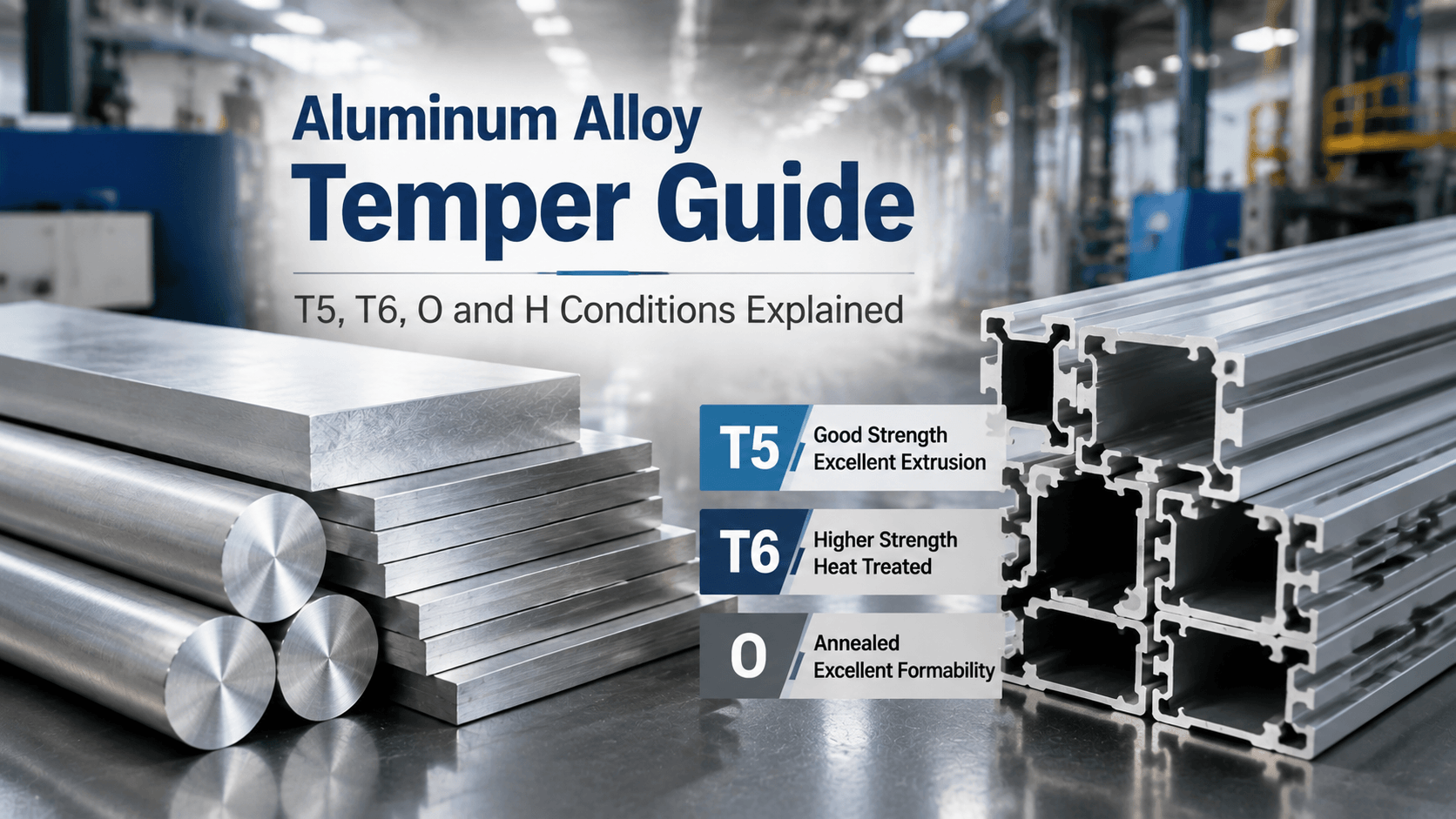
Introduction Aluminum alloy temper is an important designation that describes the condition of aluminum after processing, including heat treatment, cold working and aging. The temper condition directly affects mechanical properties such as strength, hardness, ductility and formability. When pu...Read more »
-
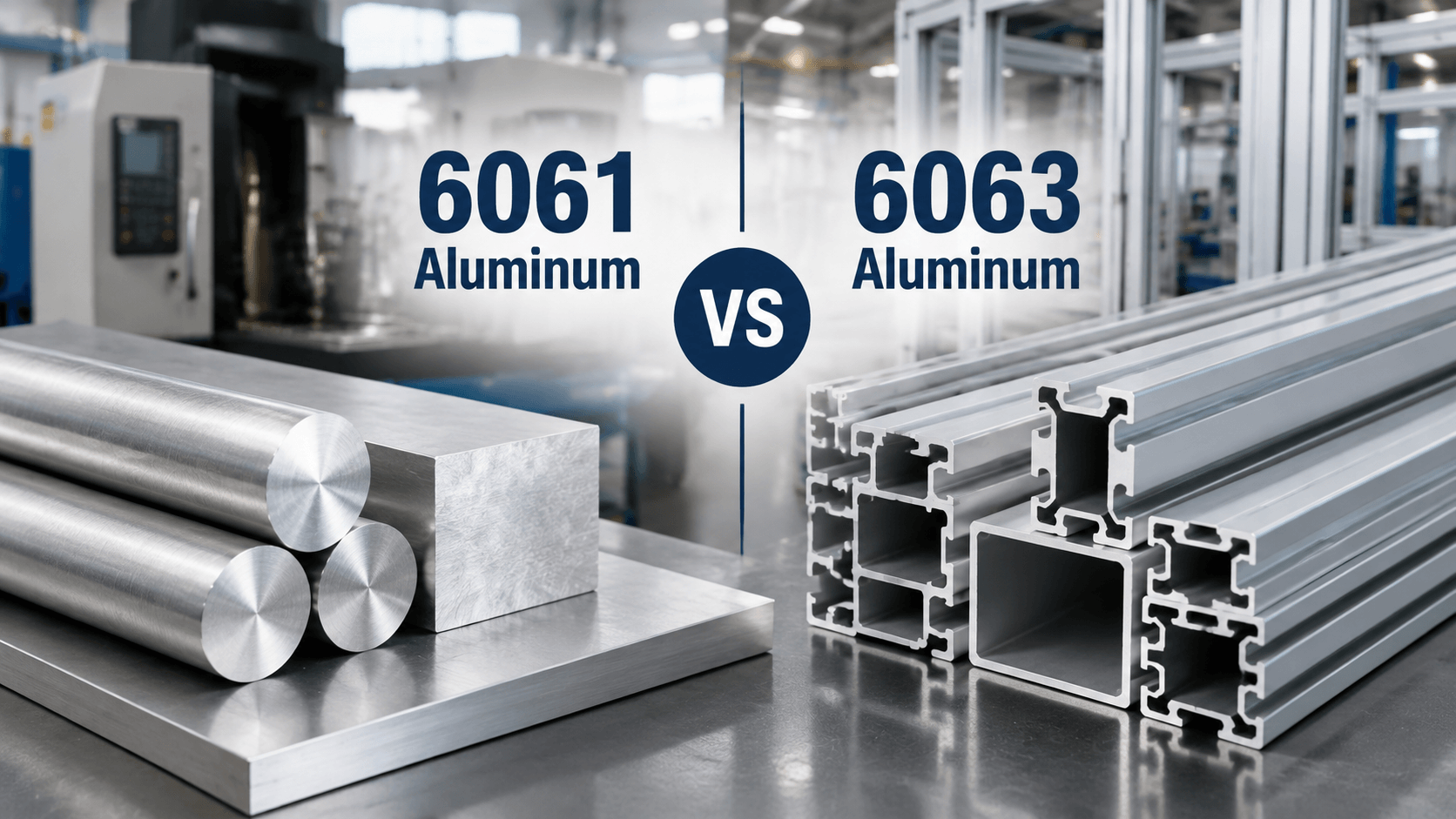
Introduction 6061 aluminum and 6063 aluminum are two widely used aluminum alloys in industrial manufacturing, construction, extrusion and engineering applications. Although both alloys belong to the aluminum-magnesium-silicon alloy family, their different properties make them suitable for diffe...Read more »
-
Introduction Aluminum plate and aluminum sheet are two common forms of flat aluminum products used in industrial manufacturing, construction, transportation and engineering applications. Although both products are manufactured from aluminum alloys and have similar material properties, they are...Read more »
-
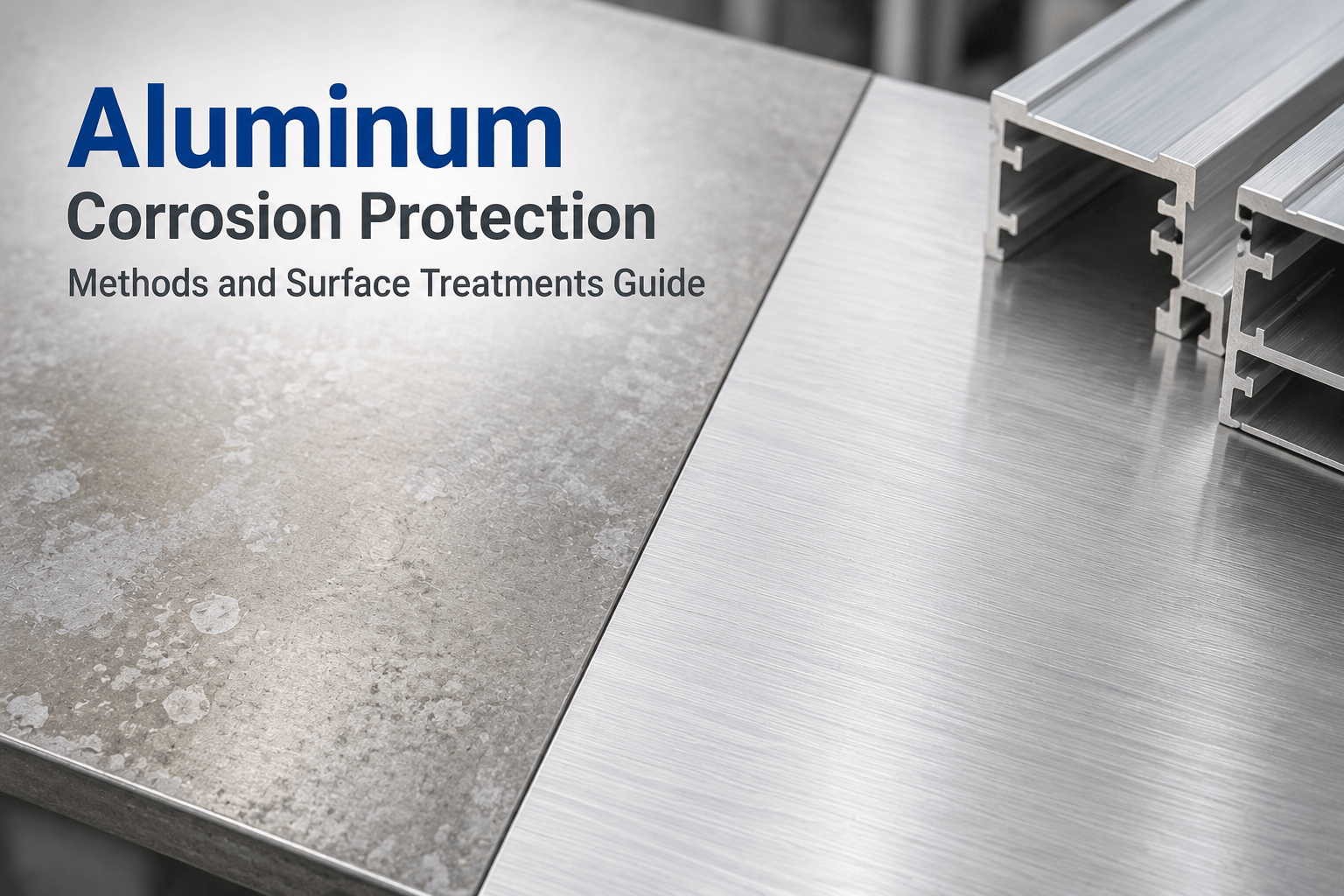
Introduction Aluminum has excellent natural corrosion resistance because it forms a thin aluminum oxide layer on its surface. However, industrial environments, marine exposure and chemical conditions may damage this protective layer and require additional surface treatments. Aluminum corrosion...Read more »
-
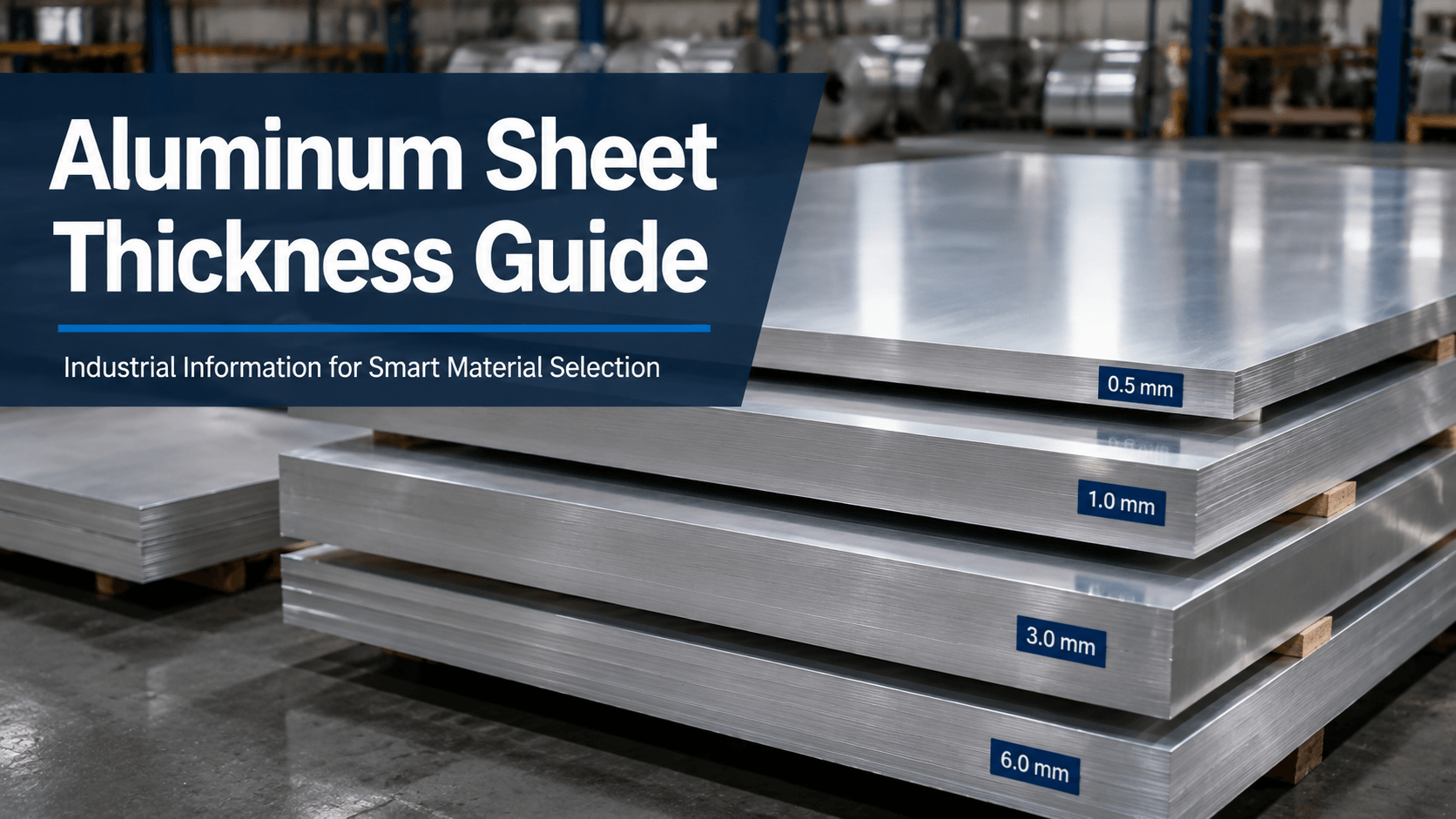
Introduction Aluminum sheet thickness is one of the most important factors when selecting aluminum materials for industrial applications. Thickness affects strength, weight, formability, machining performance and final product cost. Aluminum sheets are available in a wide range of thicknesses...Read more »
-
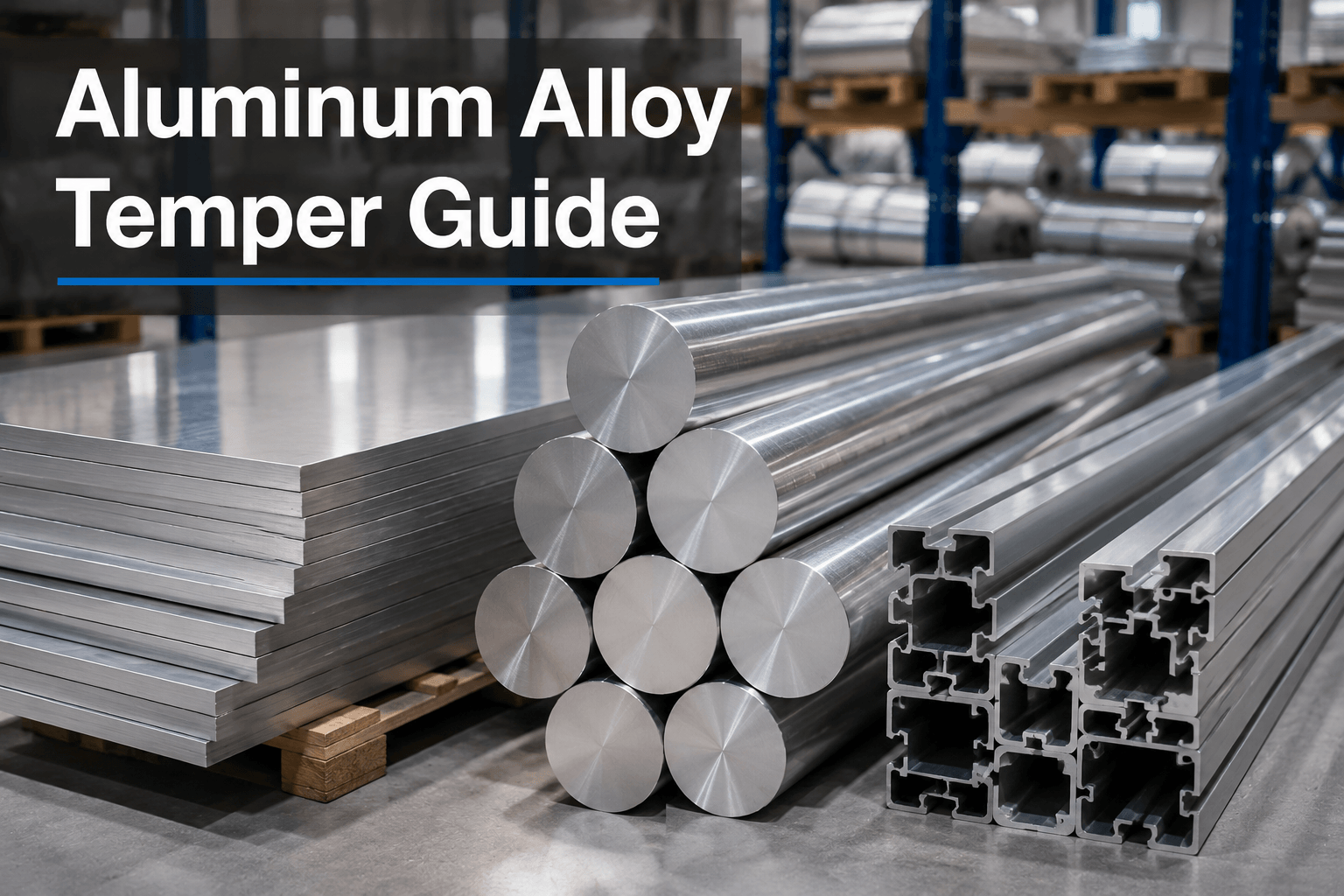
Introduction Aluminum alloy temper is an important designation that describes the heat treatment and mechanical condition of aluminum products. The temper condition affects strength, hardness, formability and application performance. Unlike aluminum alloy grades that define chemical compositi...Read more »
-
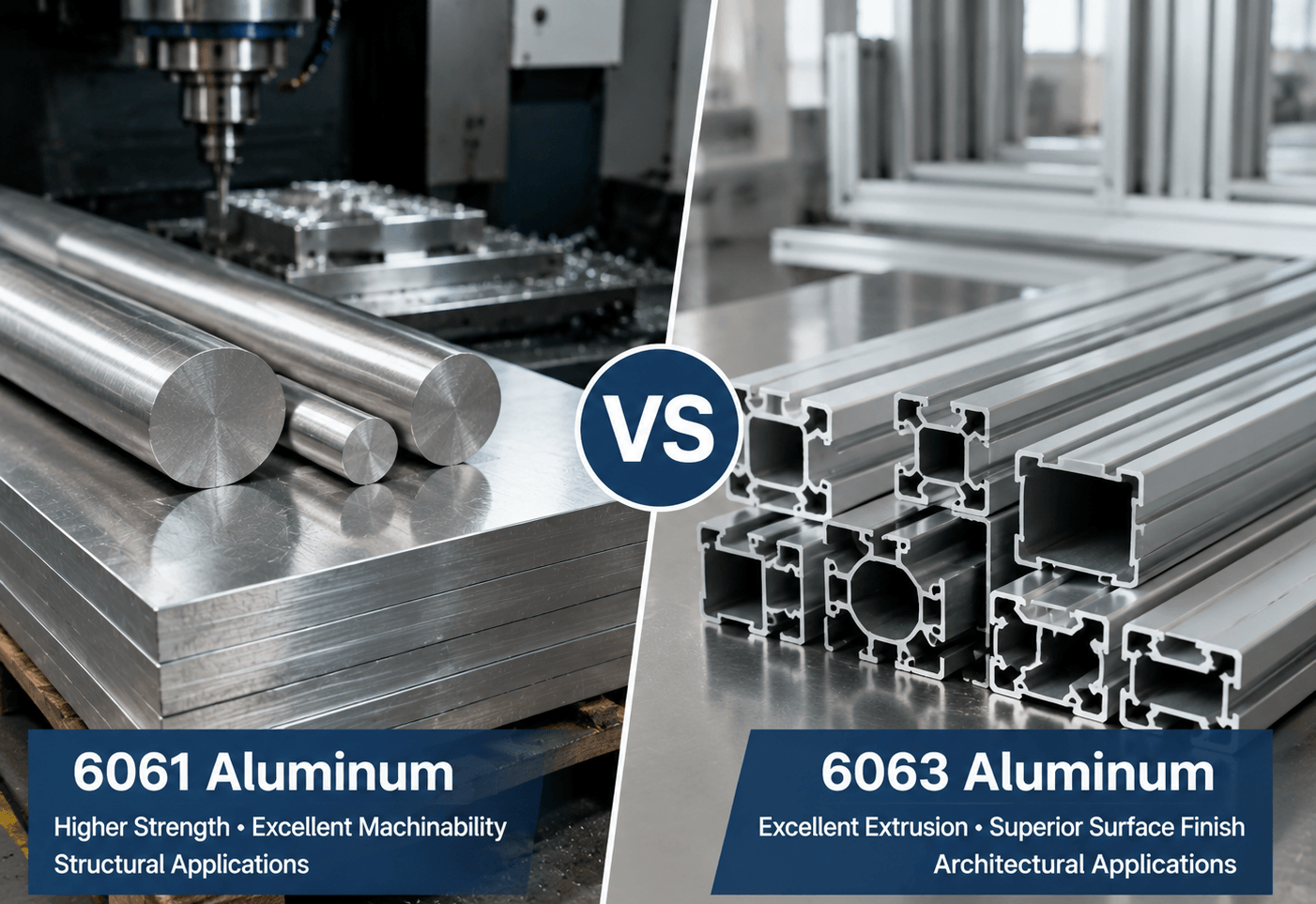
Introduction 6061 aluminum and 6063 aluminum are two widely used aluminum alloys in industrial applications. Both provide excellent corrosion resistance, lightweight performance and good fabrication characteristics, but they are designed for different purposes. 6061 aluminum is known for highe...Read more »