ASTM B209 3004-H19 Aluminum Coil
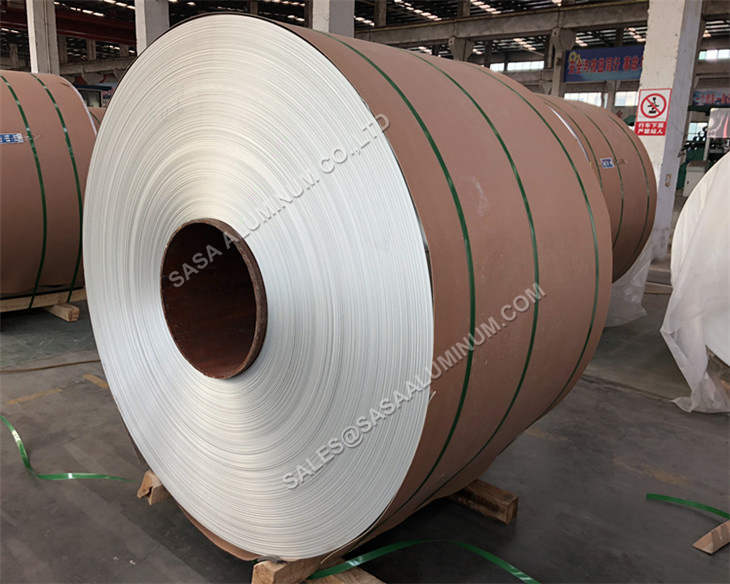
ASTM B209 3004-H19 Aluminum Coil Overview
ASTM B209 3004-H19 Aluminum Coil is a non-heat-treatable aluminum-manganese-magnesium alloy supplied in a heavily strain-hardened H19 temper. Compared with 3003 aluminum, 3004 provides higher strength while maintaining good corrosion resistance and suitability for high-volume forming applications.
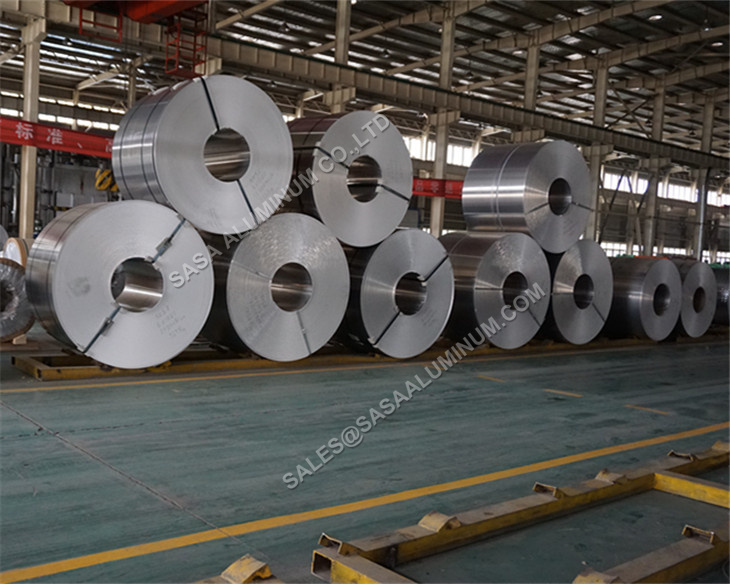
SASA ALUMINUM supplies 3004-H19 aluminum coil and coiled sheet with customized thickness, width, coil ID, coil OD, coil weight, surface and edge requirements. Material certificates, dimensional inspection and other quality documentation can be provided according to order requirements.
3004-H19 Aluminum Coil Quick Information
Alloy / Temper: 3004-H19
Standard: ASTM B209 / B209M
Product: Aluminum Coil / Coiled Sheet
Surface: Mill Finish / Coated as Required
Dimensions: Thickness, width, coil ID/OD and coil weight can be customized
Documentation: MTC and inspection documents available as required
3004-H19 Aluminum Coil Specifications
| Alloy / Temper | 3004-H19 |
|---|---|
| Product Form | Aluminum Coil / Coiled Sheet |
| Standard | ASTM B209 / B209M or Agreed Specification |
| Thickness | Customized According to Order Requirements |
| Width | Customized According to Order Requirements |
| Coil ID / OD | Specified According to Processing and Handling Requirements |
| Coil Weight | Customized / Maximum Coil Weight Subject to Review |
| Surface | Mill Finish / Coated / Customized Surface |
| Edge | Mill Edge / Slit Edge as Required |
| Certificate | Material Test Certificate Available |
Material Characteristics
- Non-heat-treatable aluminum-manganese-magnesium alloy.
- H19 temper represents a heavily strain-hardened condition with higher strength than softer tempers.
- Higher strength than 3003 aluminum for applications requiring stronger thin-gauge material.
- Good corrosion resistance for general atmospheric and industrial environments.
- Suitable for continuous forming and high-volume production when the ordered temper and gauge match the forming process.
- Surface quality, flatness and edge condition can be specified for coating or automated production lines.
Chemical Composition of 3004 Aluminum
3004 aluminum is primarily alloyed with manganese and magnesium. The following composition is provided as a general reference; actual material chemistry should be confirmed by the applicable specification and material certificate.
| Element | Mn | Mg | Fe | Si | Cu | Zn | Al |
|---|---|---|---|---|---|---|---|
| 3004 | 1.0-1.5% | 0.8-1.3% | ≤0.7% | ≤0.3% | ≤0.25% | ≤0.25% | Balance |
3004-H19 Mechanical Properties
Mechanical properties of 3004-H19 aluminum coil depend on product thickness, manufacturing condition and applicable specification. H19 is selected when higher strength is required compared with softer 3004 tempers.
| Property | Supply Consideration |
|---|---|
| Tensile Strength | According to ASTM B209/B209M and ordered thickness |
| Yield Strength | Depends on H19 condition and product gauge |
| Elongation | Depends on thickness and test orientation |
| Temper | H19 – heavily strain hardened |
3003 vs 3004-H19 vs 5052 Aluminum Coil
The appropriate aluminum coil grade depends on required strength, forming performance, corrosion environment and downstream processing.
| Alloy | Main Characteristic | Relative Strength | Relative Cost | Typical Selection |
|---|---|---|---|---|
| 3003 | Good formability and general corrosion resistance | Lower | Lower | General sheet and formed components |
| 3004-H19 | Higher strength Al-Mn-Mg alloy in hard temper | Medium | Medium | Can stock, closures and high-strength thin-gauge products |
| 5052 | Higher Mg content with improved strength and corrosion resistance | Higher | Higher | Marine, transportation and more demanding formed components |
Quality Inspection
Inspection requirements can be arranged according to the ordered specification and application. Typical verification for 3004-H19 aluminum coil may include:
- Chemical composition verification.
- Thickness and width measurement.
- Coil ID, OD and weight inspection.
- Tensile property verification when specified.
- Surface and edge inspection.
- Flatness and appearance inspection.
- Material identification and traceability documentation.
Applications of 3004-H19 Aluminum Coil
3004-H19 aluminum coil is primarily selected for thin-gauge applications that require higher strength than common 3003 aluminum while retaining the corrosion resistance and processing advantages of the 3xxx series.
- Can and container stock: suitable for selected can-body and closure applications according to purchaser specifications.
- Closures and formed components: used where thin-gauge material requires higher strength after strain hardening.
- Roofing and cladding: suitable for formed building products requiring lightweight construction and corrosion resistance.
- Painted or coated coil: can be supplied for downstream coating and fabrication processes according to surface requirements.
- Industrial sheet components: suitable for formed components where 3004-H19 strength and dimensional characteristics meet the design requirement.
Ordering Information
For an accurate quotation and technical review, please provide:
- Alloy and temper: 3004-H19.
- Applicable standard or customer specification.
- Thickness and width.
- Coil ID and maximum OD.
- Required coil weight.
- Surface or coating requirements.
- Edge condition.
- Mechanical property or forming requirements when applicable.
- Quantity and destination.
- Inspection, MTC, labeling and packaging requirements.
Packaging
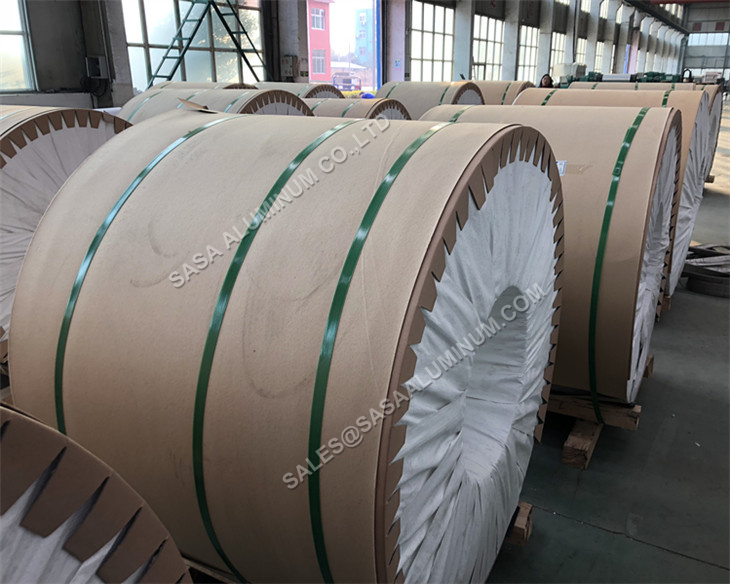
3004-H19 aluminum coils are packed according to coil dimensions, surface requirements and transportation conditions. Packaging can include moisture-resistant wrapping, edge protection, core support, identification labels and export pallets or wooden cases.