-

Aluminum plate is widely used in industries such as construction, automotive, aerospace, marine, and fabrication due to its lightweight properties, corrosion resistance, and excellent strength-to-weight ratio. However, cutting aluminum plate requires the right tools, techniques, and safety measur...Read more »
-

Aluminum diamond plate, also known as tread plate or checker plate, is a durable and stylish material used in everything from truck beds and trailers to wall panels and flooring. While its raised diamond pattern adds traction and industrial appeal, the surface can dull over time due to oxidation,...Read more »
-

When it comes to performance in harsh environments—especially where strength, corrosion resistance, and weldability are essential—5083 plate aluminum is one of the most reliable choices available. As a marine-grade aluminum alloy, 5083 has become a preferred material for industries such as shipbu...Read more »
-

In the world of industrial and structural metals, 6061 aluminum plate stands out as one of the most trusted and widely used aluminum alloys. Known for its excellent mechanical properties, good corrosion resistance, and outstanding machinability, 6061 aluminum plate is an essential material across...Read more »
-

Aluminum checker plate, also known as tread plate or diamond plate, is a high-performance metal product widely used in industrial, architectural, and commercial environments. Its distinct raised pattern of lines or diamonds not only provides slip resistance but also enhances the material’s visual...Read more »
-

In industrial, commercial and even residential settings, aluminum diamond plate is one of the most recognizable and widely used materials. Also known as aluminum tread plate, checker plate or floor plate, this distinctive material is characterized by a raised diamond-shaped pattern that offers bo...Read more »
-

.alu-news-20260911,.alu-news-20260911 p,.alu-news-20260911 li,.alu-news-20260911 td,.alu-news-20260911 th{font-family:Arial,Helvetica,sans-serif!important;font-size:18px!important;line-height:1.75!important;color:#242424!important}.alu-news-20260911 strong,.alu-news-20260911 a{font-size:inherit!i...Read more »
-
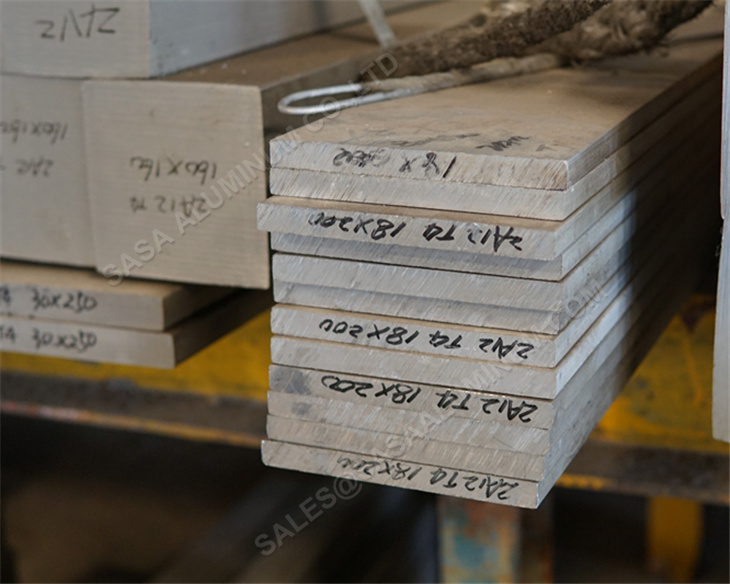
Prevent Cracking by Matching Bend Radius to Alloy, Temper and Direction The bend method is not determined by thickness alone. A high-strength T6 temper generally has less formability than an annealed or softer temper, and bending across or parallel to the rolling direction can change cracking r...Read more »
-
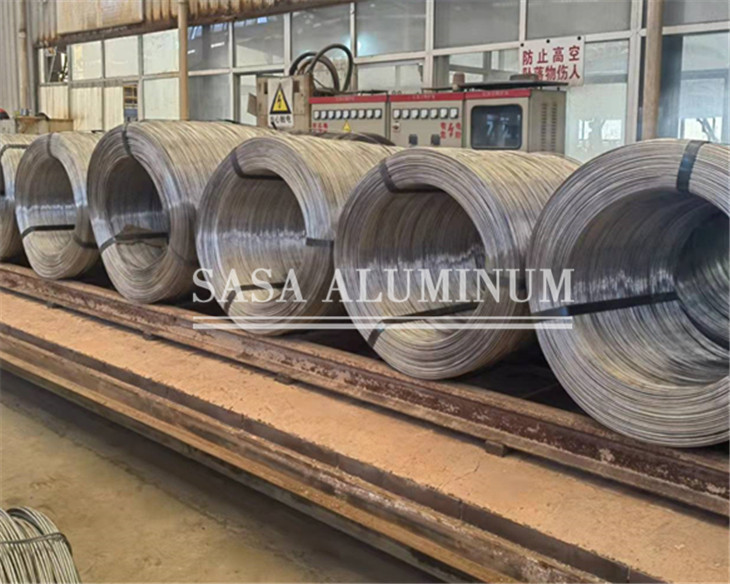
Copper-to-Aluminum Connections Need a Listed Transition Method Do not twist copper and aluminum conductors together or treat them as interchangeable. Their different thermal expansion, oxide behavior and electrochemical potential can increase contact resistance, heating and corrosion when the j...Read more »
-
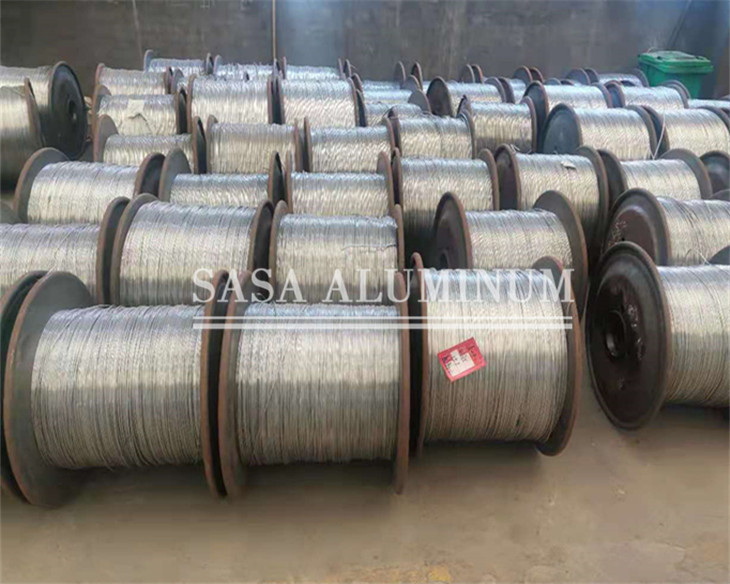
Copper clad aluminum wire, often abbreviated as CCA wire, is an electrical conductor that features a core of aluminum coated with a thin layer of copper. This hybrid wire offers a compromise between the conductivity of copper and the affordability and light weight of aluminum. As demand rises for...Read more »
-
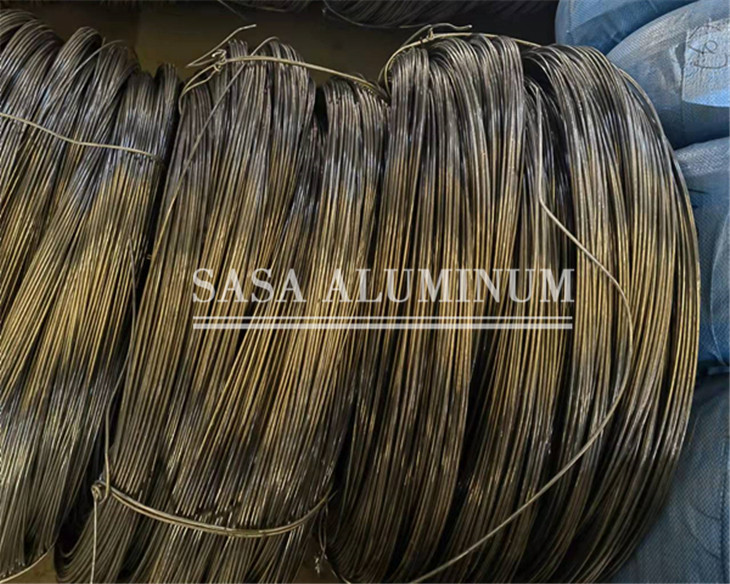
Aluminum wire has been a topic of debate in electrical and construction industries for decades. While it is lightweight, cost-effective, and widely available, many homeowners and contractors still wonder: Is aluminum wire safe? The answer is more nuanced than a simple yes or no. Understanding its...Read more »
-
Aluminum pipe is a popular choice across industries for its strength-to-weight ratio, corrosion resistance, and versatility in fabrication. As safety standards become increasingly important in construction, manufacturing, and infrastructure projects, many engineers and designers ask the question:...Read more »