-
Aluminum is widely known for its lightweight properties, durability, and natural resistance to rust. However, under certain environmental conditions, even aluminum is susceptible to corrosion. If you work with aluminum in marine, construction, automotive, or industrial applications, knowing how t...Read more »
-

In electrical work, it’s not uncommon to encounter both aluminum and copper wiring in the same system—especially during renovations or upgrades. However, directly connecting aluminum wire to copper can lead to dangerous outcomes if not done properly. The key question becomes: how to connect...Read more »
-
Check the finish first: Bare mill aluminum, polished aluminum, anodized surfaces, paint and powder coating do not tolerate the same cleaner or abrasion. Test a small hidden area and follow the finish or equipment manufacturer’s cleaning limits before treating the full surface. Aluminum is a highl...Read more »
-
Aluminum tubes are widely used across various industries due to their lightweight, corrosion-resistant properties and excellent strength-to-weight ratio. However, when it comes to shaping aluminum tubes for specific applications, bending is often required. Whether you’re working on custom p...Read more »
-
Annealing is a heat treatment process used to alter the properties of metals, making them more suitable for specific applications. Aluminum is one of the most widely used metals, thanks to its lightweight, corrosion-resistant, and versatile nature. However, in its raw form, aluminum can be too br...Read more »
-
Aluminum is one of the most versatile materials used across a wide range of industries, from construction and automotive to aerospace and manufacturing. One of the important specifications when working with aluminum is its gauge or thickness. For many projects, particularly those involving sh...Read more »
-
Aluminum is a widely used metal due to its lightweight nature, corrosion resistance, and versatility in various industries, from aerospace to automotive, construction, and more. However, welding aluminum can present unique challenges compared to welding other metals such as steel. Its lower melti...Read more »
-
Aluminum extrusions are everywhere — in window frames, car parts, building structures, electronic enclosures, and even in furniture. They are lightweight, durable, corrosion-resistant, and remarkably versatile. But have you ever wondered, how are aluminum extrusions made The extrusion process is ...Read more »
-
Aluminium is a lightweight, non-ferrous metal; chemically it is the element Al in group 13. Those labels answer different questions. “Non-ferrous” describes a family that is not iron-based, while a commercial aluminium alloy can still contain controlled amounts of iron. For industrial purchasing...Read more »
-
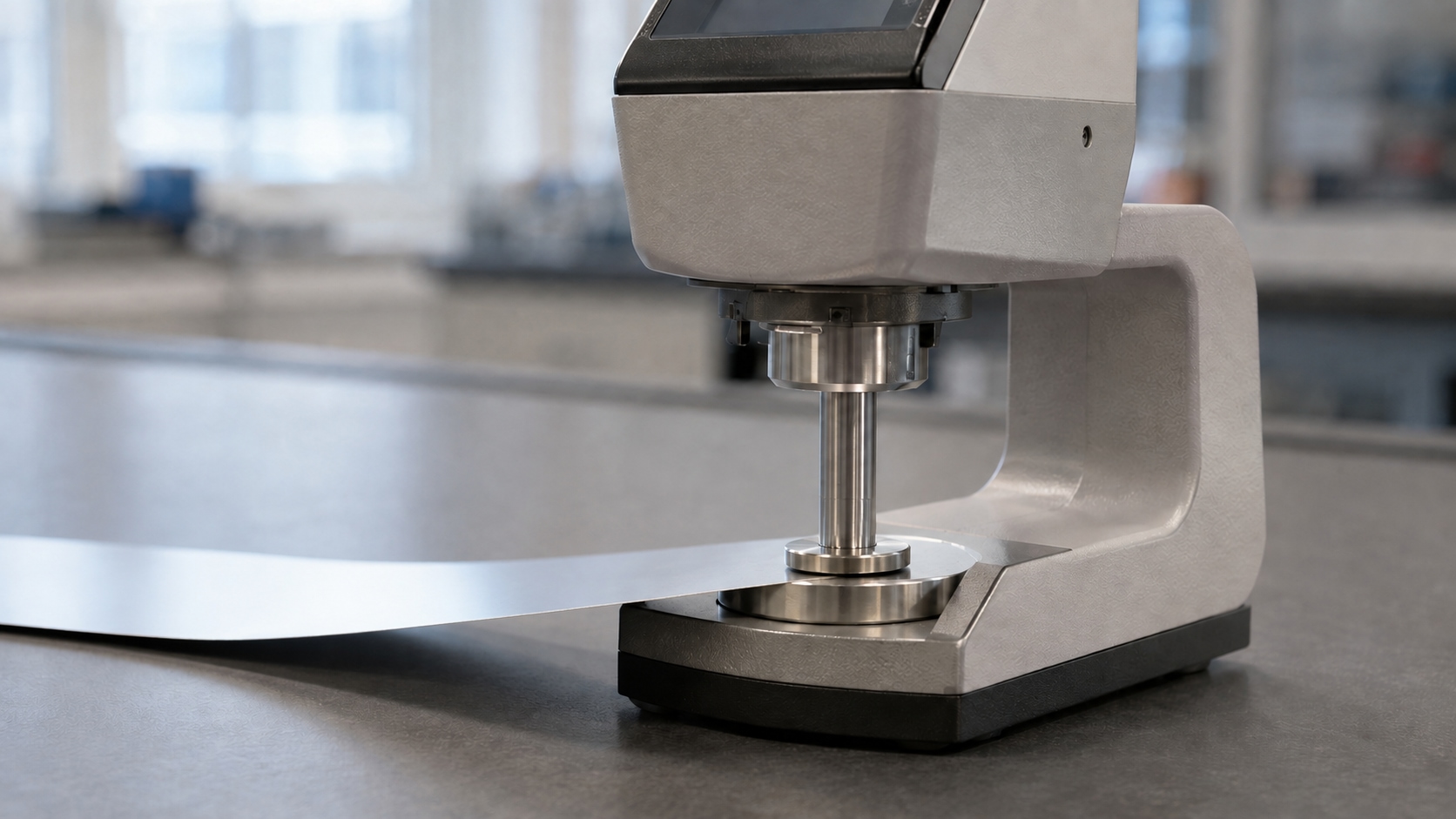
Aluminium foil does not have one standard thickness. The European Aluminium Foil Association describes foil as ranging from about 0.006 mm to an upper limit of 0.2 mm—approximately 6–200 µm. That is a product-category range, not a statement that every grade, finish or application is supplied th...Read more »
-
Aluminum is one of the most widely used and studied elements in the world of chemistry and materials science. Found in everything from beverage cans to aircraft frames, aluminum offers a unique combination of light weight, strength, and corrosion resistance. However, behind its widespread industr...Read more »
-
Aluminum is one of the most commonly used metals in the world today. Known for its lightweight nature, corrosion resistance, and versatility, aluminum finds its way into everything from beverage cans to aerospace components. A key property that engineers and manufacturers often consider is its me...Read more »