-
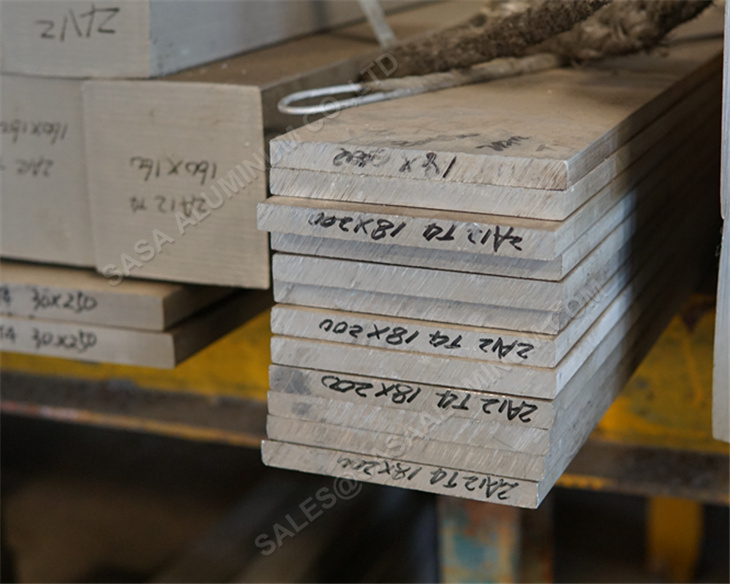
Prevent Cracking by Matching Bend Radius to Alloy, Temper and Direction The bend method is not determined by thickness alone. A high-strength T6 temper generally has less formability than an annealed or softer temper, and bending across or parallel to the rolling direction can change cracking r...Read more »
-
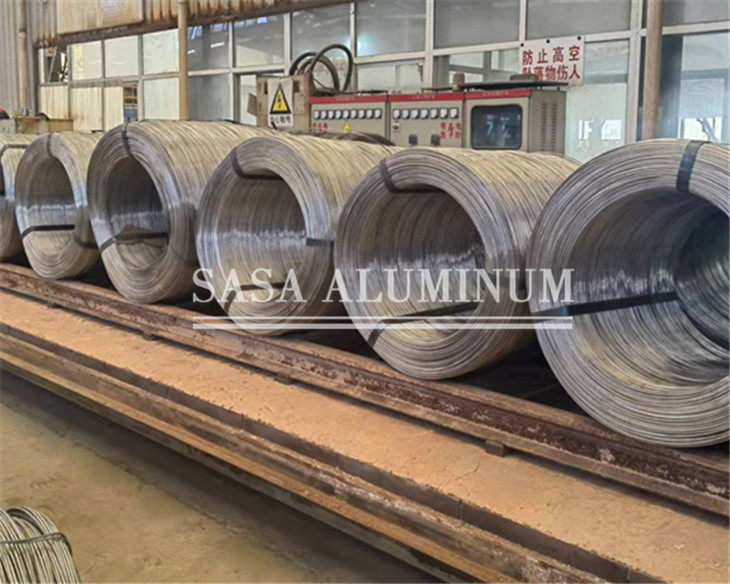
Copper-to-Aluminum Connections Need a Listed Transition Method Do not twist copper and aluminum conductors together or treat them as interchangeable. Their different thermal expansion, oxide behavior and electrochemical potential can increase contact resistance, heating and corrosion when the j...Read more »
-
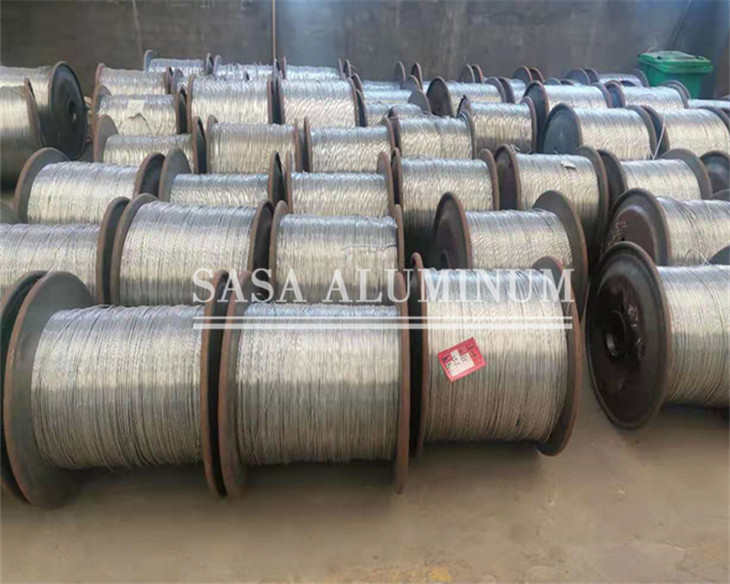
Copper clad aluminum wire, often abbreviated as CCA wire, is an electrical conductor that features a core of aluminum coated with a thin layer of copper. This hybrid wire offers a compromise between the conductivity of copper and the affordability and light weight of aluminum. As demand rises for...Read more »
-
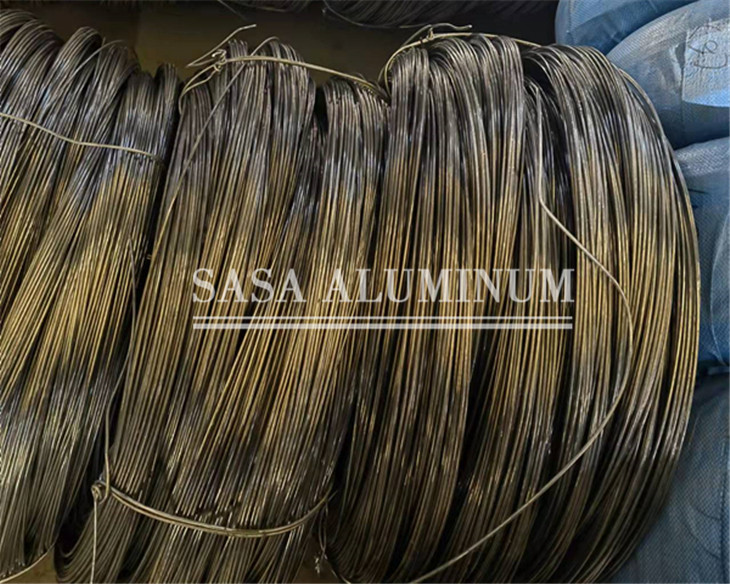
Aluminum wire has been a topic of debate in electrical and construction industries for decades. While it is lightweight, cost-effective, and widely available, many homeowners and contractors still wonder: Is aluminum wire safe? The answer is more nuanced than a simple yes or no. Understanding its...Read more »
-
Aluminum pipe is a popular choice across industries for its strength-to-weight ratio, corrosion resistance, and versatility in fabrication. As safety standards become increasingly important in construction, manufacturing, and infrastructure projects, many engineers and designers ask the question:...Read more »
-
Aluminum pipe is widely used in construction, automotive, marine, and industrial applications because of its lightweight, corrosion resistance, and ease of fabrication. A common question among engineers, contractors, and fabricators is Can aluminum pipe be threaded? The ability to thread aluminum...Read more »
-
Aluminum pipe is widely used across industries such as construction, transportation, marine, and energy due to its lightweight, corrosion resistance, and versatility. While aluminum pipe offers many advantages, it is important to understand its limitations to ensure that it is the right material ...Read more »
-
When designing or upgrading water supply systems, material choice is critical to ensure safety, longevity, and compliance with health standards. Among various piping materials, aluminum pipe is often considered for its light weight, corrosion resistance, and cost-effectiveness. This raises an imp...Read more »
-
Aluminum pipe is widely used in industries such as construction, transportation, marine, manufacturing, and energy due to its excellent strength-to-weight ratio, corrosion resistance, and versatility. A common question among engineers, contractors, and project managers is How long does aluminum p...Read more »
-
Aluminum pipe is one of the most widely used non-ferrous materials in industries such as construction, transportation, HVAC, and marine engineering. Its popularity stems from its strength-to-weight ratio, durability, and excellent corrosion resistance. But many customers still ask the same essent...Read more »
-
As industries across the world shift toward sustainability and environmentally responsible practices, the question of material recyclability has become more important than ever. One material that stands out in this context is aluminum. Specifically, aluminum pipe is widely used in construction, t...Read more »
-
In recent years, the global demand for aluminum pipe has experienced notable growth, driven by rapid industrialization, sustainability goals, and the rise of lightweight materials in construction and transportation. As industries seek durable, corrosion-resistant, and recyclable materials, alumin...Read more »